A Shop for Killers:
Survival as Inheritance
by Vera Von Monika
Directed by Lee Kwon and Noh Kyu-yeob, and adapted from Kang Ji-young’s acclaimed novel The Killer’s Shopping Mall*, A Shop for Killers is a thriller that understands action as structure rather than spectacle. While its premise revolves around assassins, covert networks, and survival under relentless pressure, the series is ultimately concerned with something far more enduring: the transmission of knowledge, the weight of responsibility, and the invisible architecture people build to protect those they leave behind.
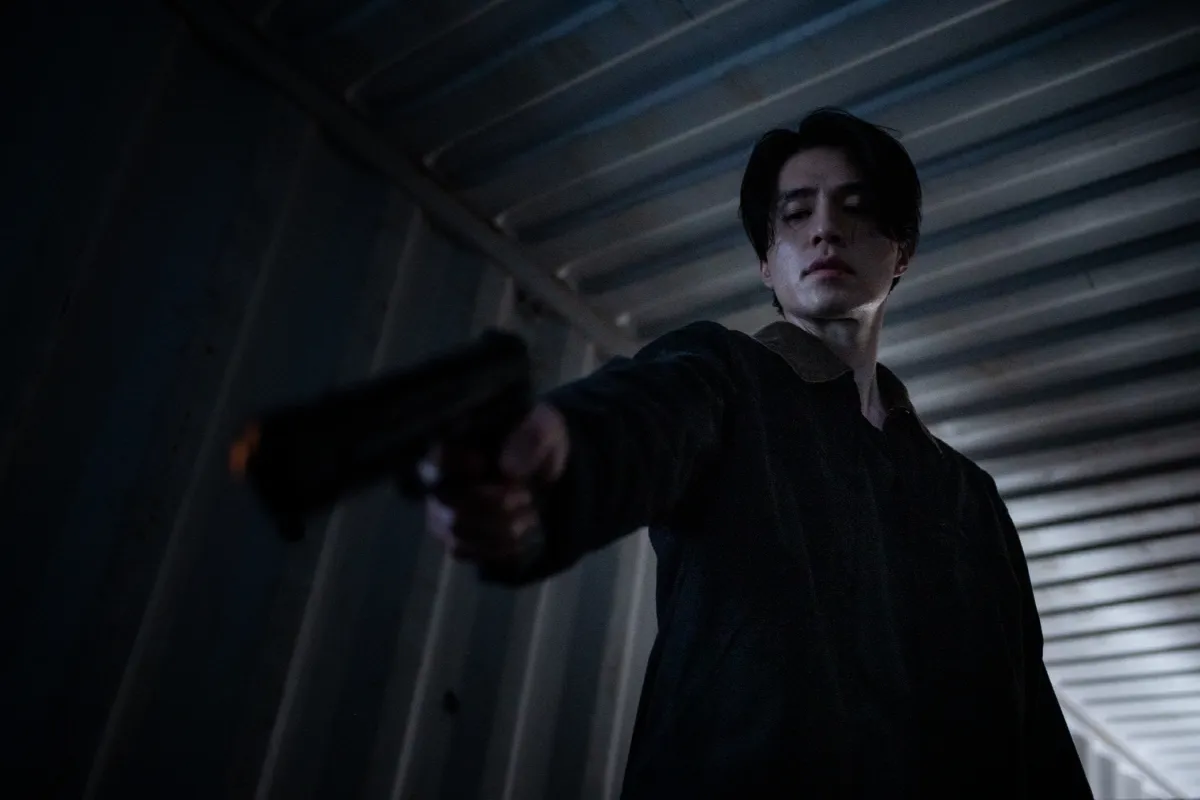
At the center of this world stands Lee Dong Wook’s Jeong Jinman, a character whose influence extends far beyond his physical presence. Unlike traditional action protagonists, Jinman does not protect through intervention. He protects through preparation. Every lesson, contingency, and carefully guarded secret becomes part of a framework designed to function in a future where he is no longer present. In this sense, Jinman is not simply a guardian. He is an architect of survival.
Most action thrillers ask a simple question: Who survives?
A Shop for Killers asks something far more unsettling:
What does survival cost when violence becomes inheritance?
Across its narrative, the series evolves beyond the conventions of assassination narratives and criminal conspiracies. Beneath the gunfire, betrayals, and meticulously choreographed action sequences lies a story about memory, legacy, and the burden of knowledge. It is not merely a series about killers. It is a series about those forced to live among them.
What makes A Shop for Killers remarkable is its refusal to romanticize survival. The series consistently dismantles the illusion that strength is measured through domination. Instead, survival emerges through adaptation, observation, and the ability to endure uncertainty. The true battleground is psychological long before it becomes physical.
The first season established this foundation with remarkable efficiency. Its fragmented storytelling transformed revelation into tension, allowing the audience to uncover the truth alongside Jeong Jian. The result was a narrative that understood suspense as an act of trust. Information was withheld not to manipulate viewers, but to immerse them within the same confusion, fear, and curiosity experienced by its protagonist.
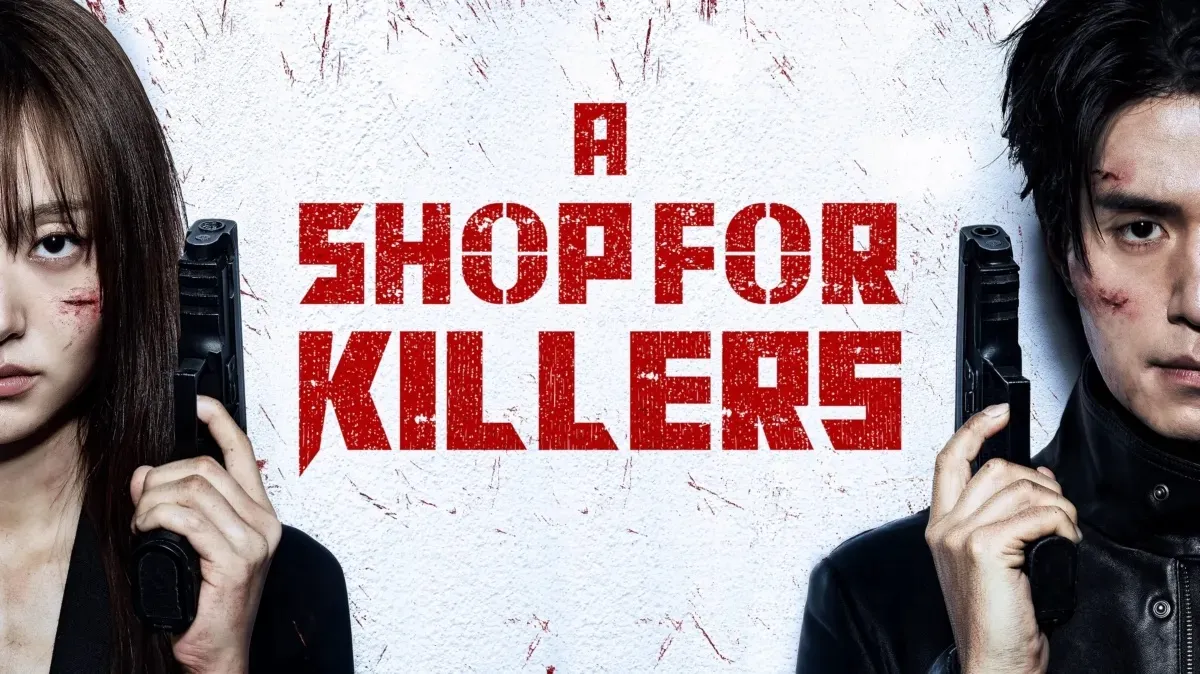
The second season expands that vision considerably.
Rather than simply escalating the action, it broadens the emotional and philosophical scope of the story. The world surrounding Murthehelp becomes larger, but also more intimate, revealing not only the network itself but the people shaped by it. As hidden histories emerge and loyalties become increasingly difficult to define, the series shifts its attention from survival alone to the consequences of what survival leaves behind.
If the first season asked whether Jeong Jian could survive the world Jeong Jinman left behind, the second asks a more difficult question: what will she choose to do with the knowledge he gave her?
Jian is no longer merely reacting to forces she does not understand. Her growing awareness transforms her from a survivor into an active participant, forcing her to confront not only external threats but the values embedded within the lessons she inherited. What once appeared to be protection begins to reveal itself as something more complicated — a legacy that offers both security and burden.
In this respect, the season deepens one of the series’ most compelling ideas. Protection becomes morally ambiguous. The knowledge that allows Jian to survive is inseparable from the violence, responsibility, and isolation that accompany it. What was once presented as preparation increasingly resembles an inheritance she must decide whether she truly wishes to carry.
The distinction between protector and threat grows increasingly blurred. The series refuses simple divisions between those who save and those who harm, recognizing that survival often demands choices that resist clear moral categories. In a world shaped by violence, loyalty, trust, and affection rarely exist in pure forms.
The series understands a truth often forgotten by contemporary action dramas:
The most dangerous people are rarely those who enjoy violence. They are those who have learned to live with it.
This is where Lee Dong Wook’s performance becomes essential to the identity of the series.
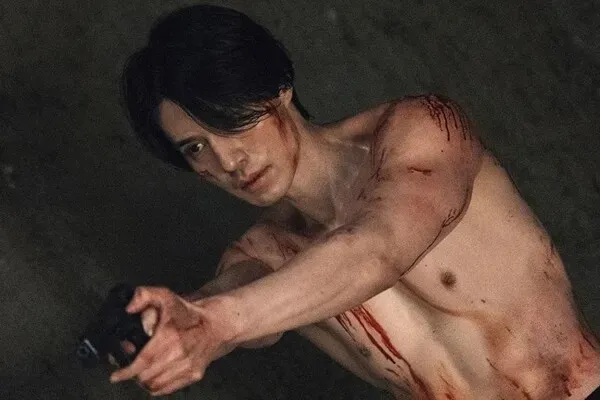
His performance is built on subtraction. Rather than expanding emotion outward, he compresses it. The result is a character whose silences frequently communicate more than his dialogue. In a genre often dependent on escalation, Jinman becomes memorable through restraint.
The second season introduces an unusual dynamic: Jinman no longer needs to occupy every moment to dominate the narrative. His absence becomes part of the performance itself. As Jian’s understanding of him evolves, the audience is forced to reconsider him alongside her—not simply as the protector she remembers, but as the architect of a life whose consequences she must now confront.
As a result, Jinman never feels larger than life. He feels frighteningly human.
That humanity ultimately becomes the emotional core of A Shop for Killers. Beneath its elaborate networks of mercenaries, assassins, and covert operations lies a story about responsibility. About the choices made for those we love. About the impossible desire to protect someone from a world that cannot be controlled.
The central paradox of A Shop for Killers is that protection and vulnerability become inseparable. What makes the series particularly compelling is its rejection of a familiar fantasy: that love can eliminate danger. Jinman understands the opposite. The safest person is often the least prepared for reality. Protection, taken to its absolute form, creates dependence. The series therefore proposes a more difficult idea — that genuine care is not always expressed through shelter, but through preparation. Survival becomes less an instinct than an inheritance.
This tension defines both seasons and gives the narrative its lasting resonance.
In an entertainment landscape increasingly dominated by louder spectacles and faster consumption cycles, A Shop for Killers distinguishes itself through patience. It trusts viewers to observe. It trusts characters to remain complicated. Most importantly, it understands that the deepest wounds are often invisible.
Ultimately, A Shop for Killers is not a story about killers at all.
It is a story about what remains when protection can no longer take the form of presence.
Through Jeong Jinman, the series asks a question rarely explored within the action genre:
How do we prepare those we love for a future in which we cannot save them?
Its answer is neither comforting nor simple. Survival is not taught through safety. It is inherited through experience.
Author’s Note
What fascinated me most about A Shop for Killers was not its action, but its understanding of responsibility.
Beneath the assassins, conspiracies, and carefully choreographed violence lies a story about preparation, trust, and the difficult choices made in the name of protection. The series consistently asks whether true care is expressed through sheltering someone from reality or preparing them to face it.
For me, that question is what elevates A Shop for Killers beyond the conventions of the thriller genre and gives the story its lasting emotional resonance.
At its core, A Shop for Killers is not a story about killers.
It is a story about what remains after survival becomes a way of life.
“At its core, A Shop for Killers is not a story about killers.
It is a story about what remains after survival becomes a way of life."
— Vera Von Monika
September 1, 2026
Series Credits:
Title: A Shop for Killers (킬러들의 쇼핑몰)
Based on: The Killer's Shopping Mall (살인자의 쇼핑몰) by Kang Ji-young
Directors: Lee Kwon, Noh Kyu-yeob
Screenwriters: Ji Ho-jin, Lee Kwon
Network: Disney+ (Hulu in the U.S.)
Production Companies: Merrychristmas, Project Onion
Total Episodes: 16 episodes (8 per season)
Original Release: January 17, 2024 – August 12, 2026
 @vera.von.monika
 @veravonmonika
 Livedoor