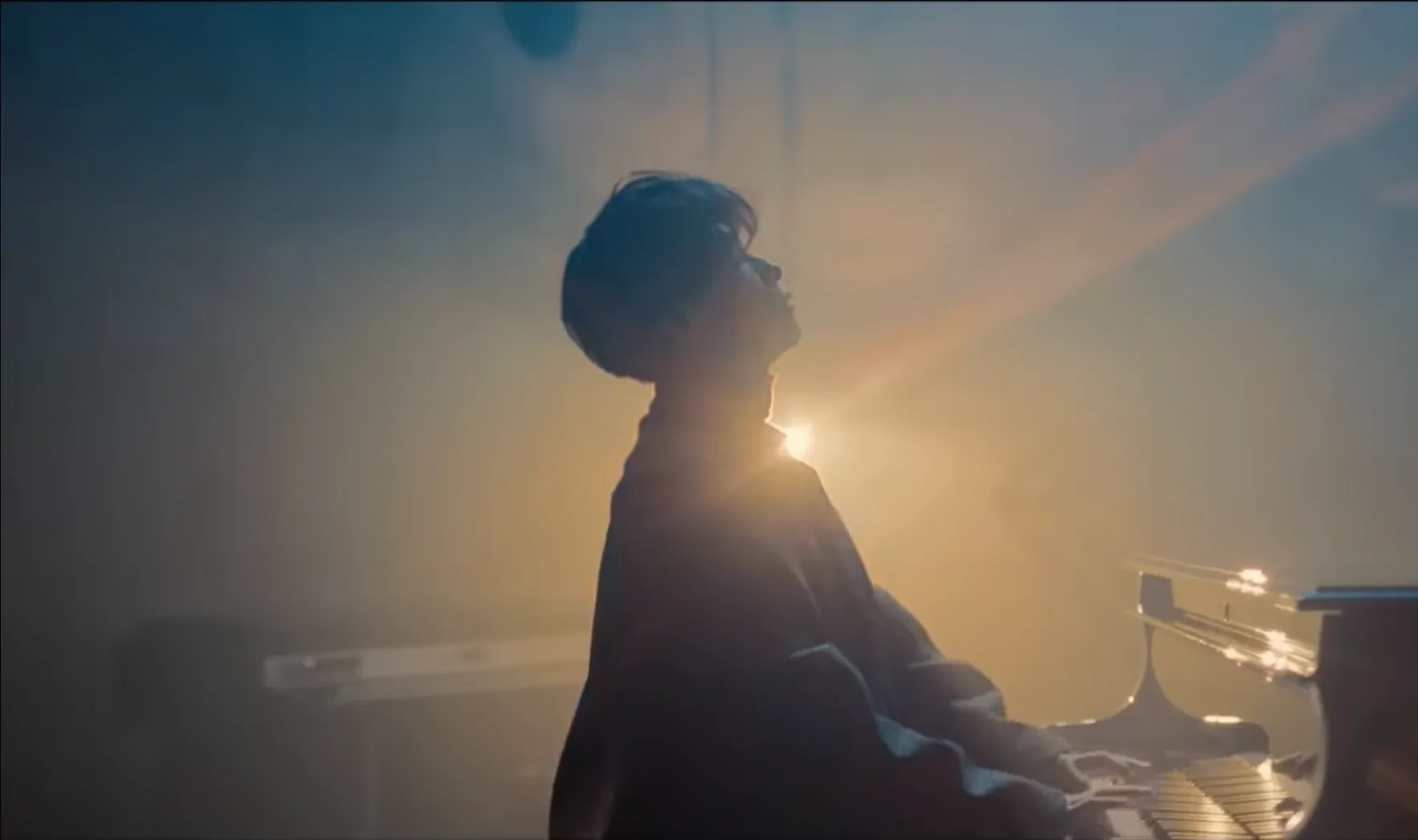
Takeru Satoh
The Architecture of Endurance
Twenty Years of Strategic Ascent, Creative Authority, and Expanding Global Influence
12 March 2026
by Vera Von Monika
Fame in Japanese entertainment is often immediate.
Longevity is engineered.
This year marks twenty years since Takeru Satoh entered the industry – a milestone that, in Japan’s accelerated entertainment ecosystem, is less a celebration of survival and more a study in sustained calibration. Anniversaries often invite nostalgia. In Satoh’s case, they invite structural analysis.
When Satoh assumed the role of Kenshin Himura in Rurouni Kenshin, the stakes extended beyond box office return. The adaptation of a nationally revered manga placed him inside a character already embedded in cultural memory. The performance required extensive sword choreography, months of physical preparation, and emotional restraint calibrated to the expectations of an audience that does not forgive misrepresentation lightly.
One particular sequence – Kenshin’s controlled stillness before explosive motion – encapsulated the paradox of the role. Restraint, then precision. Silence, then impact.
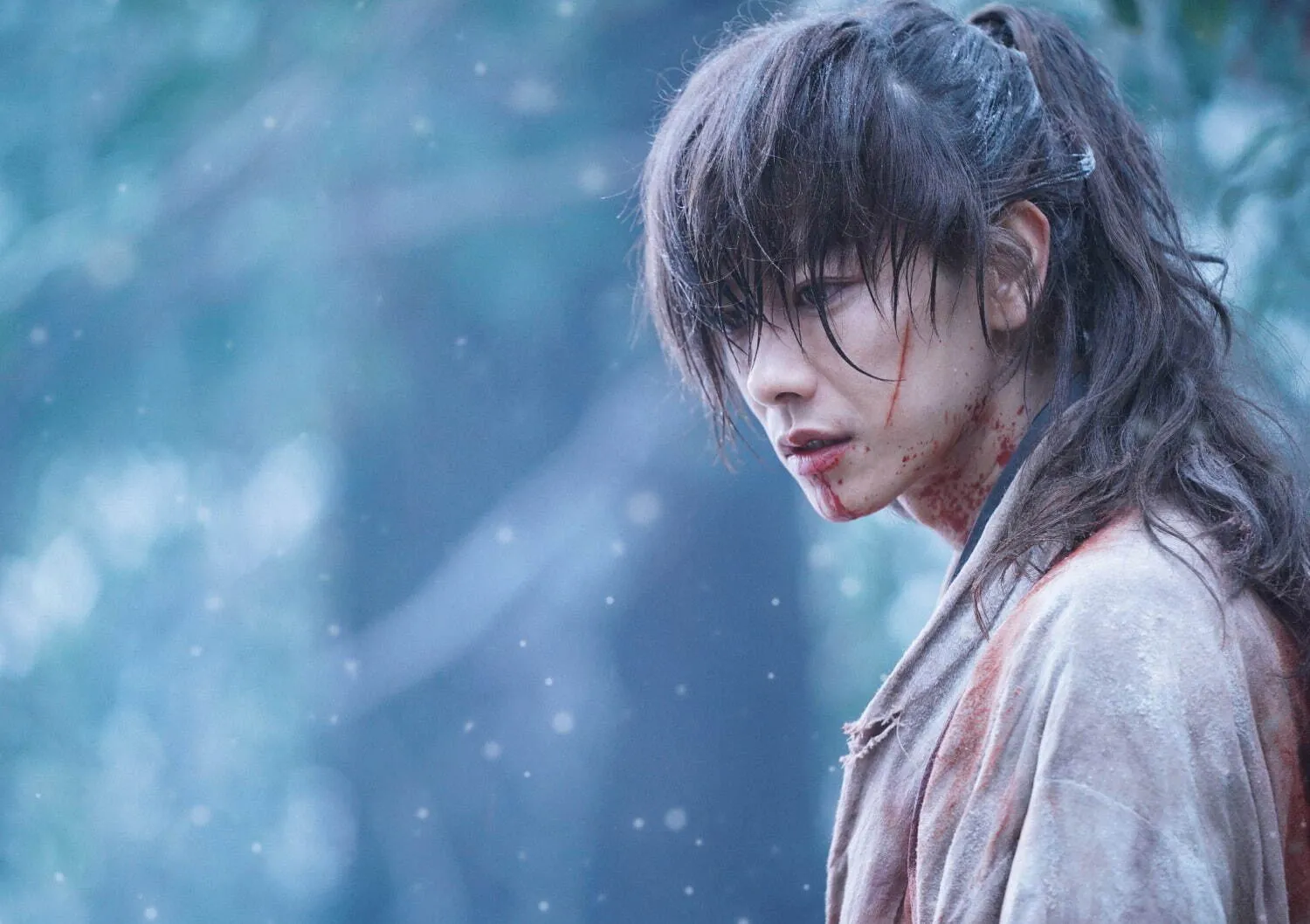
Behind that stillness, however, was strain. Satoh has spoken in interviews about the intense physical toll of the franchise’s choreography and the pressure of embodying a character so deeply embedded in public imagination. The risk was not abstract. A single misstep – physical or interpretive – could have fractured audience trust at the outset of his ascent. The composure visible on screen was built atop months of disciplined repetition and the quiet awareness that failure would be magnified.
The result was not simply commercial success.
It was credibility.
Yet credibility can calcify. Many actors remain permanently associated with the roles that first legitimized them. Satoh did not.
Following Rurouni Kenshin, he pivoted toward narrative diversity – romance, introspective drama, psychologically layered characters. In projects such as The Liar and His Lover, vulnerability replaced physical dominance. In The 8-Year Engagement, emotional endurance supplanted spectacle. Rather than escalating scale, he refined internality. Rather than repeating physicality, he pursued nuance.
This is where intent becomes visible: not in loud transformation, but in selective deviation.
Industry recognition reinforced that trajectory. His Newcomer of the Year honor at the Japan Academy Prize marked institutional acknowledgment early in his ascent – a signal that the industry perceived sustainability, not novelty. Such recognition in Japan is structurally significant; it frames an actor within the architecture of national cinema rather than temporary popularity.
But the more revealing evolution emerged later.
With Glass Heart, distributed globally via Netflix, Satoh expanded into production, sharing producer responsibilities alongside Gô Abe. This move is not cosmetic diversification. Within Japan’s tightly structured entertainment ecosystem, stepping into a producer role indicates negotiation power – involvement in script direction, tonal decisions, and narrative authorship.
Simultaneously, within the same series, he embodied a band vocalist – performing musically onscreen. This contrast is striking. From precision sword combat to vocal performance, the spectrum widens. Physical dominance in action cinema demands control over body mechanics; musical performance exposes breath, rhythm, and tonal vulnerability.
One commands space through force.
The other holds it through resonance.
The juxtaposition is deliberate.
Satoh’s career now reads less like a sequence of roles and more like structural layering:
Action credibility.
Dramatic depth.
Production authority.
Performance multiplicity.
Each addition strengthens the foundation rather than distracting from it.
Yet structure carries its own tension. Strategic pacing protects longevity – but it can also temper volatility. In an era that rewards disruptive reinvention, one could argue that over-calibration risks predictability. The question is not whether Satoh has evolved, but whether deliberate architecture ever limits the kind of creative rupture that redefines an era. Thus far, his choices suggest confidence in endurance over explosion – a philosophy that privileges accumulation over shock.
His expanding cross-Asian and global visibility suggests further strategic calibration. Recognition beyond Japan has accelerated, yet the approach remains measured – domestic consolidation preceding outward expansion. Identity preserved. Scale increased.
There is an observable through-line across his trajectory: containment of ego in favor of architecture. He does not appear to chase ubiquity.
He builds positioning.
And then – at the twenty-year mark – the external confirmations align.
At the Asia Artist Awards, Satoh received Best Artist (Bonsang) and the Asia Star Award, acknowledging both performance distinction and regional cultural influence across Asia.
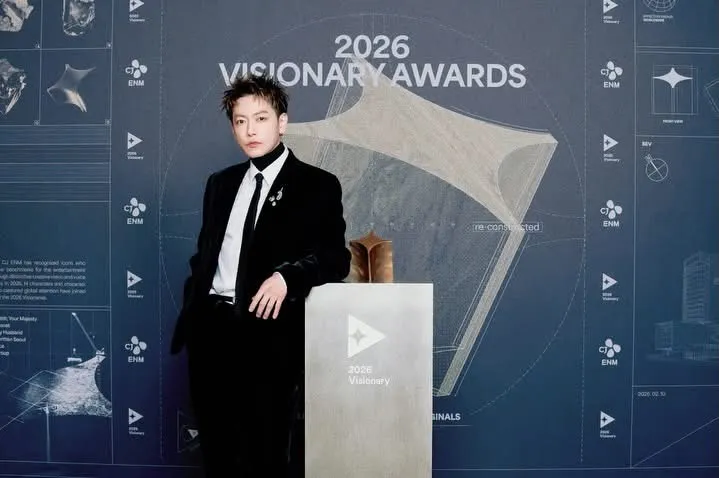
Subsequently, at the CJ ENM Visionary Awards, he was honored with the Visionary Award – a distinction recognizing figures shaping forward creative direction within the entertainment industry.
These awards do not function as decorative accolades placed mid-trajectory.
They arrive at a structural milestone: twenty years.
In an industry where rapid ascension often precedes rapid exhaustion, this pacing is notable.
Satoh is no longer merely associated with a defining franchise. He operates within a broader negotiation – between artistic risk and institutional stability, between national prominence and global possibility, between performer and architect.
The arc is not dramatic in appearance.
It is structural in effect.
And as the twentieth anniversary unfolds — marked by commemorative projects and celebratory engagements – the architecture he has built proves something rare in contemporary entertainment:
Deliberate construction endures longer than spectacle.
Structure, when carefully assembled, is what lasts.
Author’s Note
This feature was written in recognition of the 20th anniversary of Takeru Satoh’s career. The intention was to examine the deliberate evolution of his work - from the cultural responsibility carried in Rurouni Kenshin to his continued expansion into narrative diversity and production. Rather than focusing on isolated milestones, the piece considers the structural continuity that has defined his trajectory and contributed to his sustained presence within Japanese and international entertainment. With respect for the significance of this milestone year, this analysis aims to highlight the discipline, range, and long-term vision reflected across two decades of work.
The author would like to thank Co-LaVo Inc., the agency representing Takeru Satoh, for their courteous response during the preparation of this feature.
 @vera.von.monika
 @veravonmonika
 Livedoor