The Architect of Velocity:
Ott Tänak’s Long Road Back to Toyota
He won the title, walked away, and is now building the car he’ll need to win it again. The question is whether he’ll let himself drive it.
by Vera Von Monika
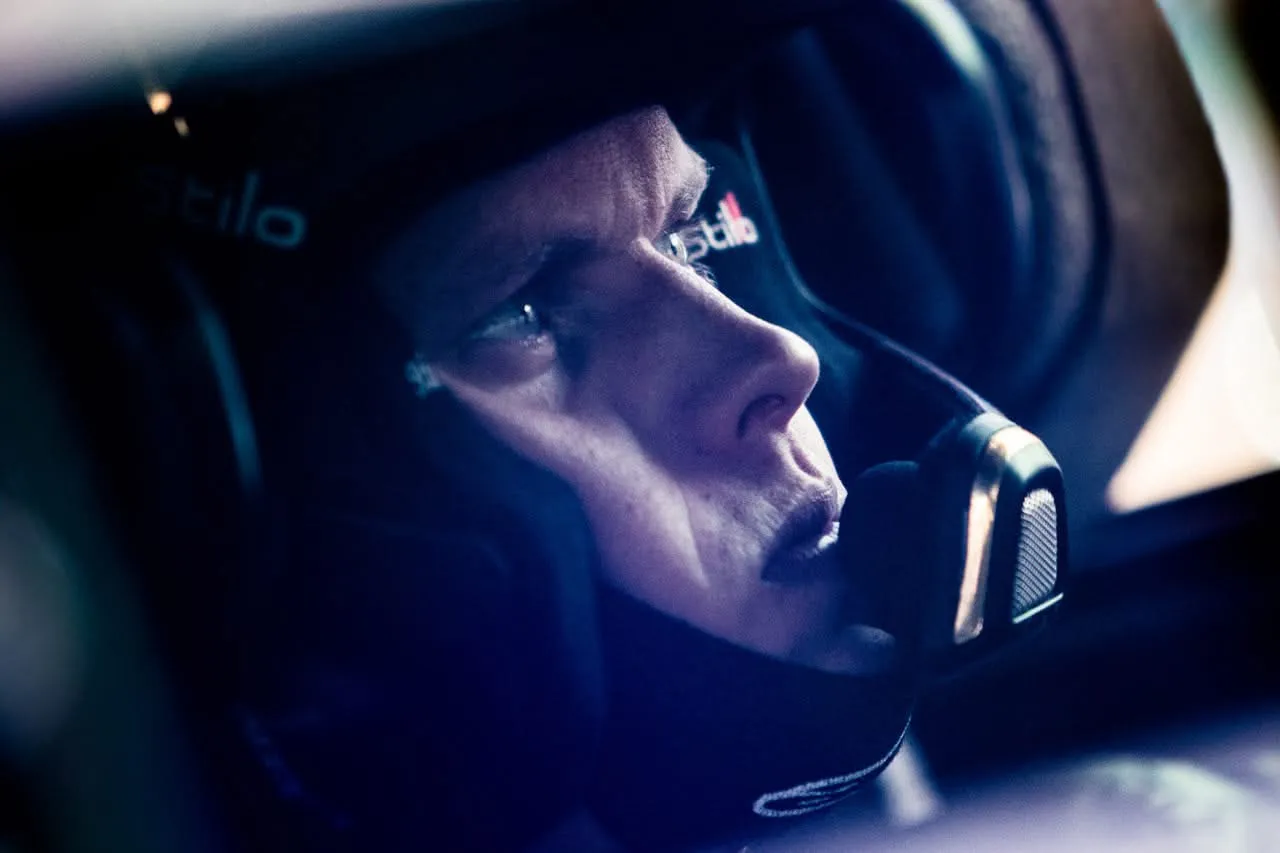
Ott Tänak does not explain himself. In a sport full of drivers who manage narratives as carefully as pace notes, he has always communicated through results. Which is why his proximity to Toyota Gazoo Racing’s WRC27 development - emerging through ongoing testing in Portugal - requires careful reading. It is not a comeback story. It is something more deliberate than that.
THE FORMATION
Tänak grew up on the island of Saaremaa, trained under Markko Märtin, and spent the early years of his career accumulating the kind of mechanical intuition that is difficult to teach. The partnership with Märtin was formative in ways that went beyond pace. Märtin understood car behaviour at a level most drivers never reach, and Tänak absorbed that.
By the time he arrived at Toyota for his first stint, he was already thinking like an engineer who could also drive fast — a rare combination.
The often-cited Rally Mexico 2015 incident - when his M-Sport Ford submerged in a lake - remains instructive less for its spectacle than for what followed. Tänak resumed competition with the same composure that defines his driving. It is an early example of a consistent trait: risk is not dramatized, it is processed. The nickname “Titanak” endured, but the behaviour behind it was never performative.
2019: WHAT A TITLE LOOKS LIKE FROM THE INSIDE
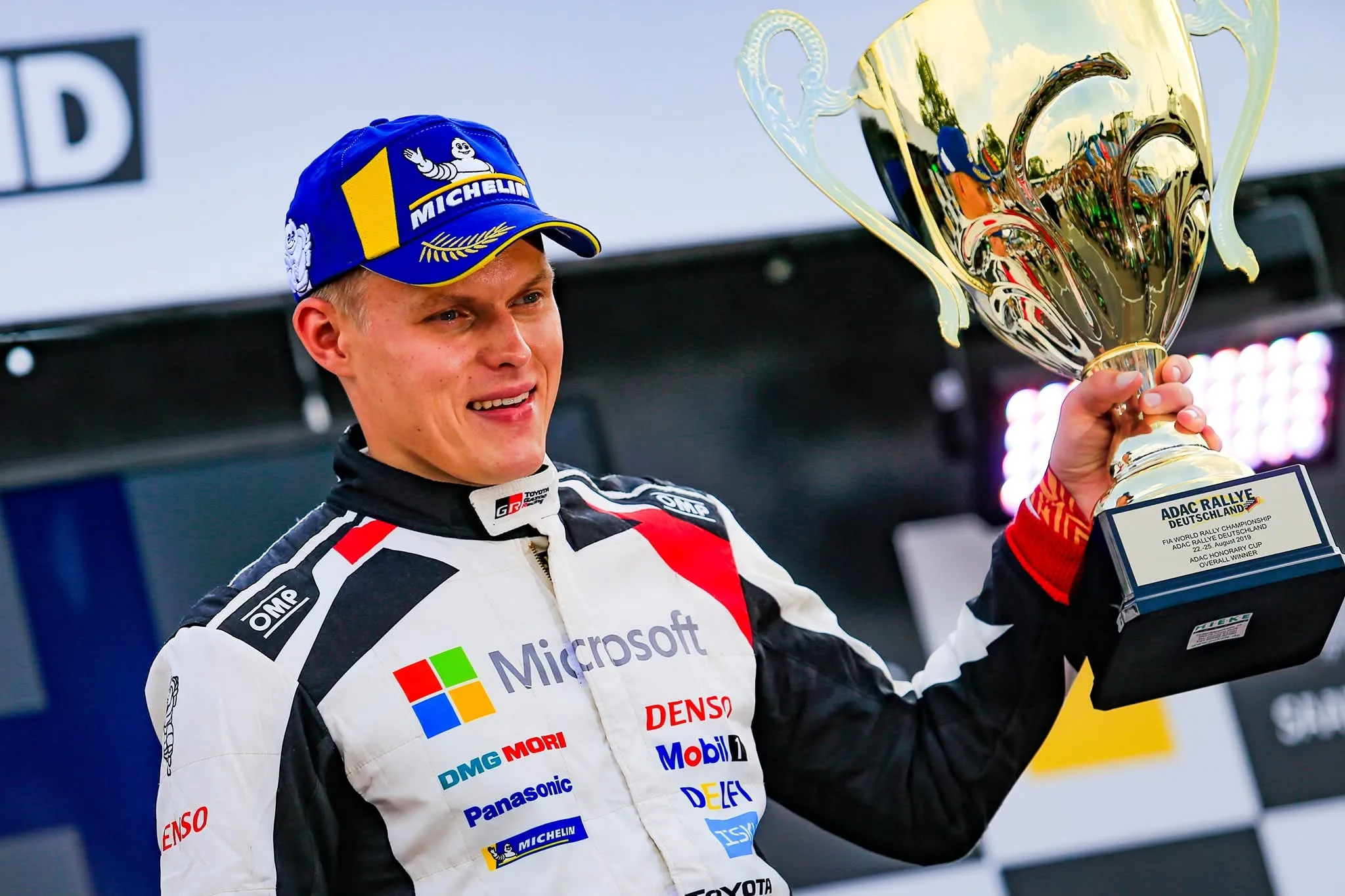
The 2019 season - culminating in his World Rally Championship title - is the clearest evidence of what Tänak is when conditions align. He won six of fourteen rallies and accumulated 72 stage wins - 31 more than his nearest rival. Crucially, those stage wins weren’t limited to fast gravel; he was the clinical master of every environment the championship offered.
From the deep snow of Sweden to the abrasive asphalt of Germany and the rock-strewn tracks of Turkey, Tänak’s dominance was total.
These are not the numbers of a driver benefiting from circumstance. They reflect a systematic approach to pressure: define the margin, execute across surfaces, eliminate inefficiency.
“I am hungrier than ever… we just need to be smart.”
The psychological dimension was present but understated. Tänak did not engage in narrative rivalry with Sébastien Ogier or Thierry Neuville. Instead, he raised the performance threshold.
He ended fifteen years of uninterrupted French dominance, a staggering era where Sébastien Loeb and Sébastien Ogier had traded the championship back and forth since 2004. Tänak didn't just win a title, he dismantled a decade and a half of history not through isolated brilliance, but through sustained, clinical control.
What followed is harder to reconcile in purely competitive terms. He left Toyota almost immediately after.
THE COST OF THE CALENDAR
His exit was framed externally as ambition. Internally, it appears closer to recalibration.
Tänak described the WRC calendar as a relentless grind. With a young family, the structure of fourteen global rounds presented a constraint rather than an opportunity.
At Hyundai Motorsport, the competitive environment shifted - but not necessarily toward stability. The period was marked by intermittent reliability issues, shifting technical direction, and inconsistent development continuity, limiting the kind of sustained precision that had defined his championship season.
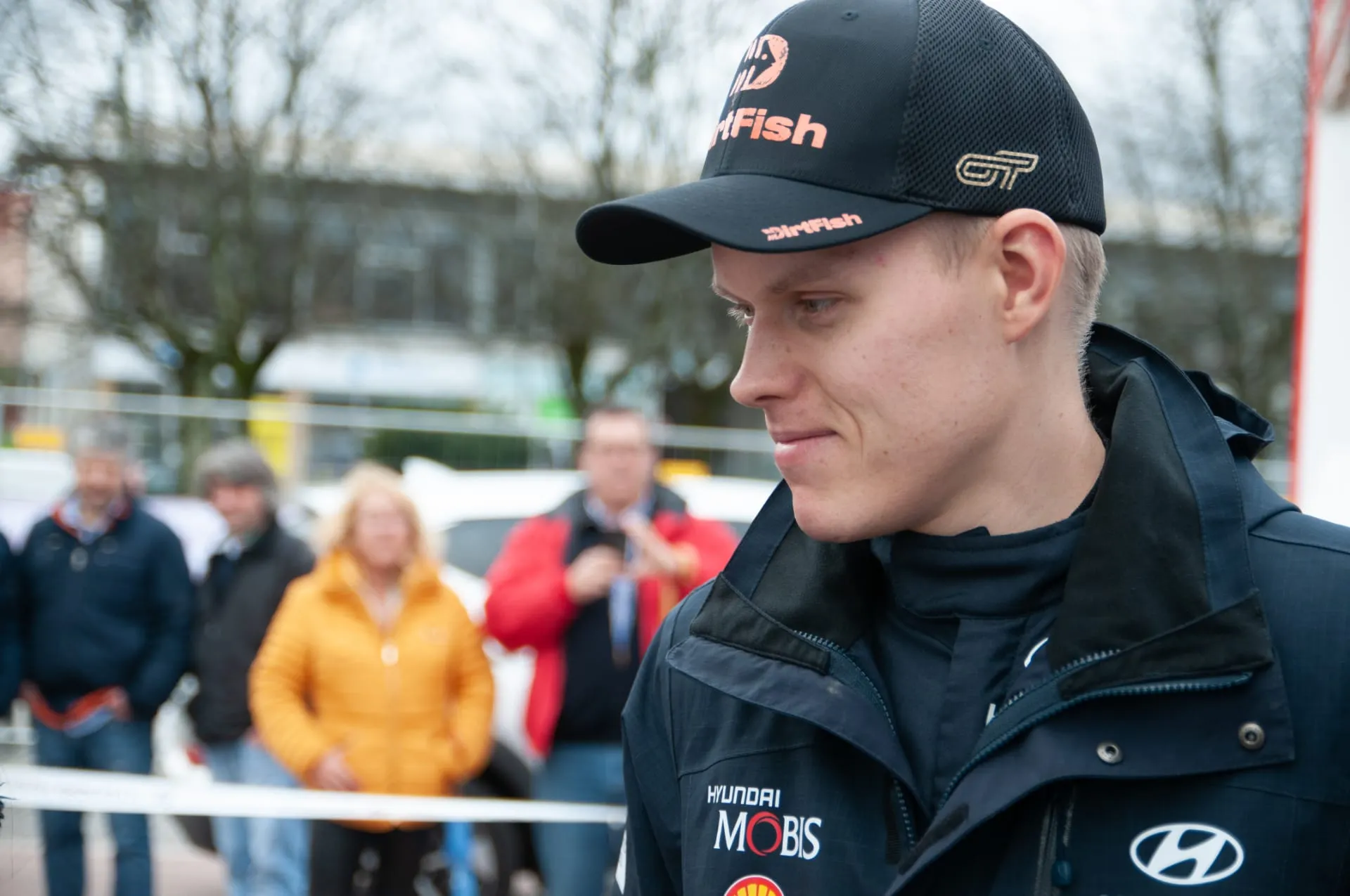
The Rally Monte-Carlo 2020 crash - violent and high-speed - reinforced the margins within which WRC operates. Tänak walked away. But the broader pattern suggested something more gradual: a distancing from the demands of continuous competition.
THE M-SPORT INTERLUDE:
A HOMECOMING OF GRIT
In 2023, the narrative took a reflective turn as Ott Tänak returned to M-Sport Ford, the British squad where his top-level career first took shape. This was not a move defined by convenience; it was a calculated attempt to compete outside the structural advantages of full manufacturer programs.
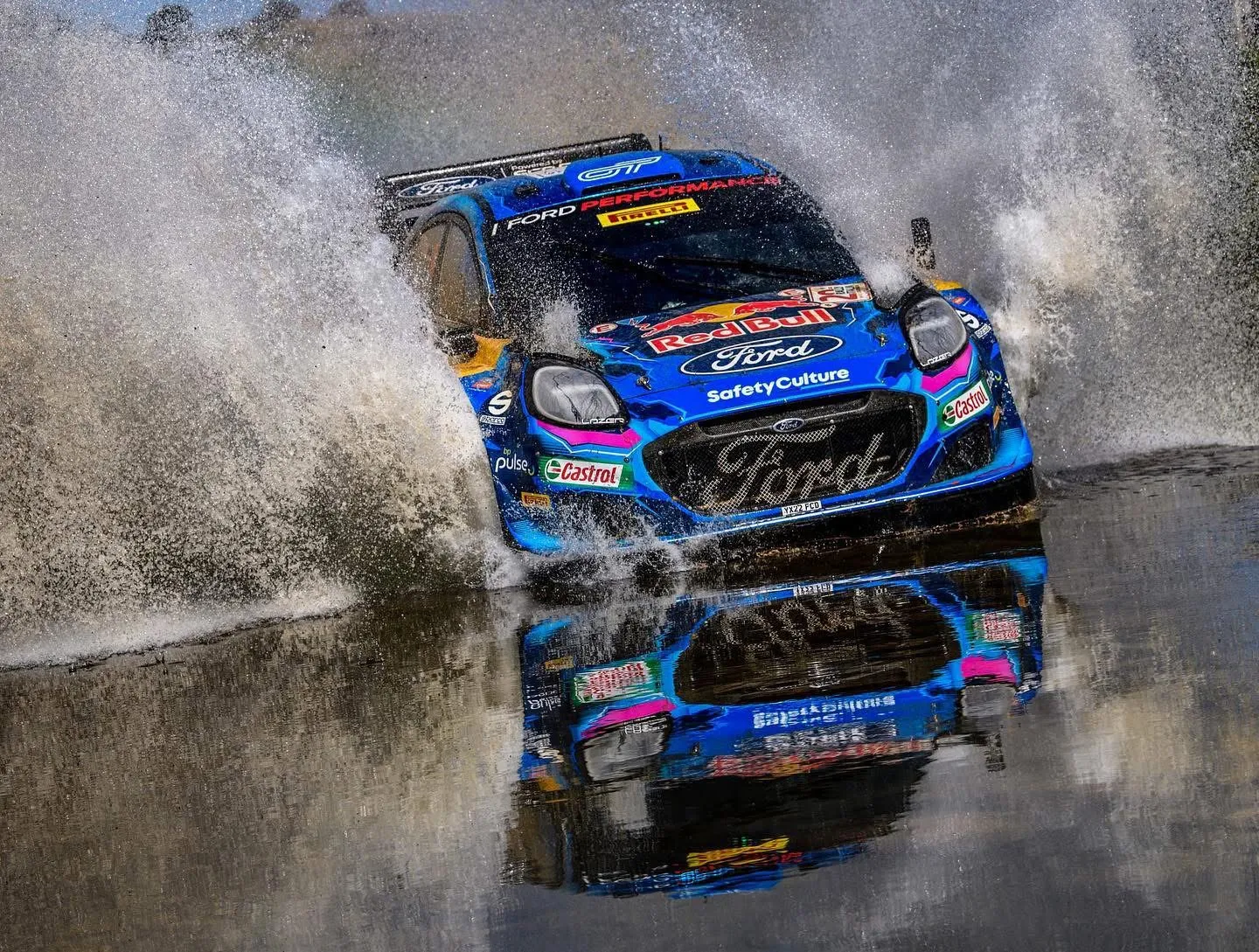
Behind the wheel of the Ford Puma Rally1, Tänak demonstrated almost immediately that his underlying speed remained intact. He secured victory at Rally Sweden - only his second outing with the car - and followed it with another win in Chile, performances that reinforced his ability to extract results independent of ideal conditions.
But the return also clarified the constraints he was operating within.
Across the season, technical inconsistencies and limited development capacity placed him in a position where performance was not solely dictated by execution, but by machinery. The gap between a privateer-based structure and manufacturer-backed teams remained persistent, regardless of individual capability.
Tänak himself acknowledged the extent of the effort, noting that he had “given it his all.” The results supported that claim. The limitations did as well.
What this phase ultimately revealed was not decline, but boundary.
And it is within that boundary that the logic of his current positioning becomes clearer: a shift away from compensating for structural limitations, and toward influencing the system itself.
THE SOLO ERA AND WHAT HE BUILT WITH IT
In the period following his 2023 season, his long-standing partnership with Märtin came to an end. This was not a routine transition. It removed the final structural constant from his career.
For the first time, Tänak operated without inherited framework.
The result was expansion - not contraction. He is building continuity.
Through RedGrey (formerly MM Motorsport), he has invested in youth development, technical infrastructure, and long-term Estonian talent, including Robert Virves.
That direction reflects a consistent internal logic: control the system, not just the outcome.
WRC27 AND THE IMPLICATION
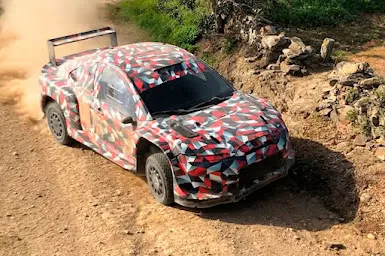
Which brings us to Portugal and Croatia, where Toyota Gazoo Racing has been conducting controlled gravel testing of its WRC27 prototype.
The next-generation regulations - being developed under the direction of the FIA - are expected to reshape the category around cost efficiency and technical simplification. Discussions within the championship have included the reduction or removal of complex hybrid systems and a broader effort to make the cars more accessible to manufacturers and private teams.
While final specifications are not yet fully confirmed, the trajectory is clear: a structural reset of the technical platform.
Within that context, Tänak’s presence carries weight.
His exact formal role has not been publicly defined. But the alignment is difficult to ignore.
A driver who combines:
- championship-level performance
- deep mechanical sensitivity
- prior integration within Toyota
is not incidental within a development cycle of this magnitude.
The arrangement suggests something deliberate: proximity without obligation, influence without exposure.
And the implication is fundamental:
A driver involved at this stage understands not just how a car performs—but why.
THE DECISION WINDOW
If Tänak returns under the 2027 regulations, he will do so with an advantage that cannot be replicated: familiarity built before competitive deployment.
Whether this is intentional positioning or simply the natural extension of his technical involvement remains unclear.
Tänak does not declare intent. He constructs possibility.
And in doing so, he forces the rest of the field into reaction - interpreting signals that have not yet been formally given.
 @vera.von.monika
 @veravonmonika
 Livedoor