The Hybrid Sunset: WRC’s Reset and the Global Split in Motorsport’s Electric Future
by Vera Von Monika
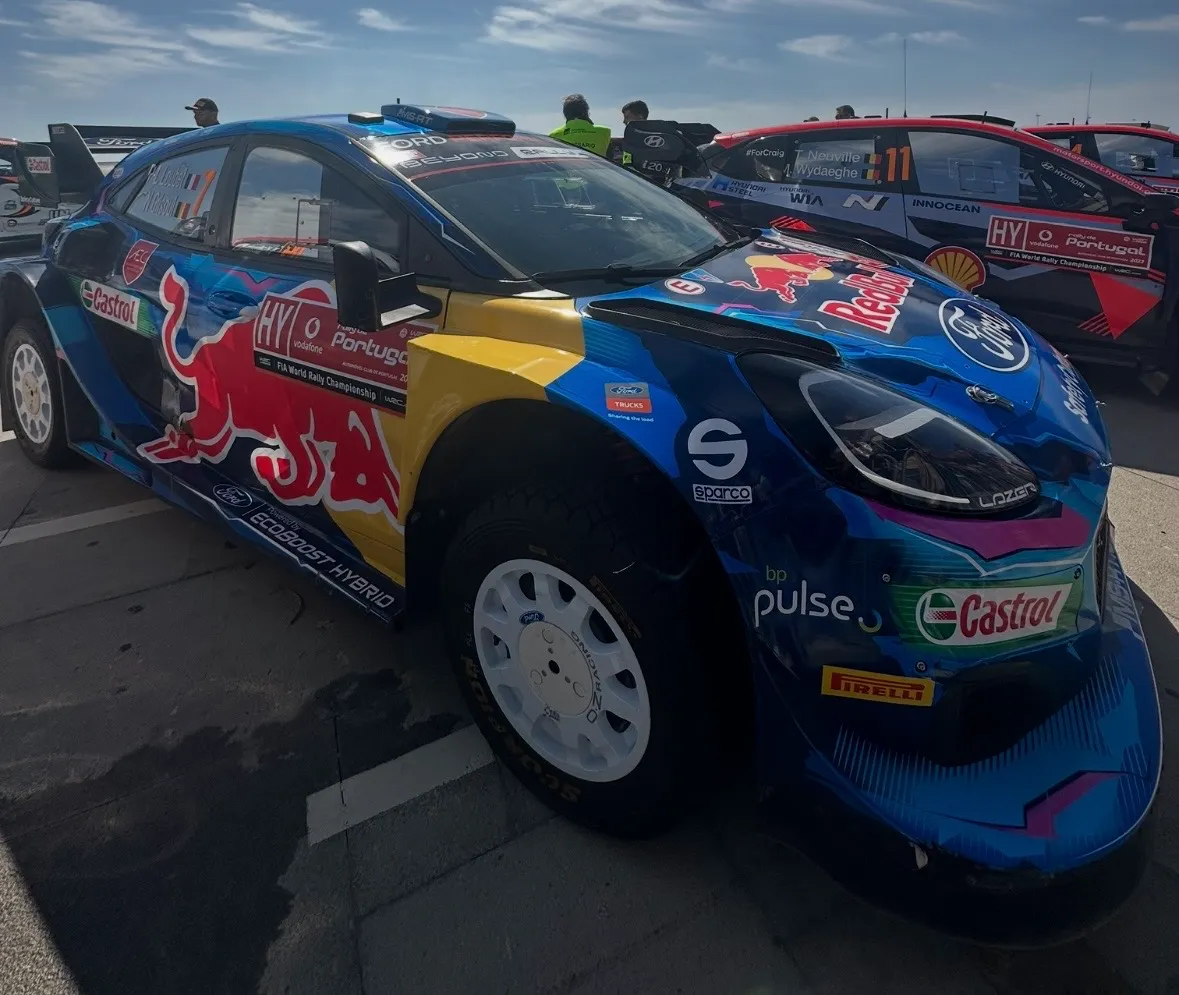
As the 2026 season settles, the World Rally Championship finds itself in a position it rarely acknowledges so directly: correction. The hybrid units that defined the Rally1 era from 2022 to 2024 have been paused—not as a dramatic reversal, but as a necessary recalibration ahead of the 2027 regulations.
This outcome is not abrupt.
It was always structural.
The Million-Euro Paradox
From its introduction, the 100kW hybrid system was framed as a technological imperative - an alignment with an industry moving toward electrification. On paper, the result was compelling: Rally1 cars exceeding 500 horsepower, operating at the upper edge of the championship’s modern performance envelope.
But the underlying equation never resolved.
The integration of a 3.9 kWh battery system into a spaceframe chassis did not simply add performance - it redefined cost. What emerged was what I previously defined as the Million-Euro Paradox: a formula where technical ambition outpaced economic reality.
The current regulatory direction confirms that imbalance. Cost targets for the 2027 cycle are explicitly positioned at a significant reduction relative to the outgoing Rally1 formula. That shift is not philosophical - it is corrective.
The hybrid era did not fail on performance.
It failed on sustainability in its most literal sense: the ability of the ecosystem to sustain itself.
Performance vs. System Dependence
The hybrid cycle delivered speed, but it also introduced a new form of fragility.
A single-source system, by definition, centralizes risk. In this case, it meant performance could be compromised not by driver input or mechanical setup, but by failure within a standardized high-voltage component. The margin between competitiveness and irrelevance could collapse instantly.
This is not a critique of the technology itself, but of its placement within a competitive environment that depends on variability, adaptation, and control.
By removing the hybrid layer - temporarily - the championship has rebalanced that equation. Weight is reduced. Complexity is lowered. Performance shifts back toward the driver–machine relationship, rather than the stability of an external system.
It is not regression.
It is redistribution.
The Global Regulatory Split: WRC27 vs. F1 2026
The current pause of the hybrid mandate for the 2025 and 2026 seasons is not an ending, but a pivot toward a more pragmatic framework: the WRC27 regulations.
This roadmap signals a departure from enforced technological uniformity, introducing a powertrain-agnostic model where manufacturers can choose between sustainably fuelled internal combustion, hybrid, or fully electric systems—balanced through torque-meter equalization.
The contrast with Formula 1 is instructive.
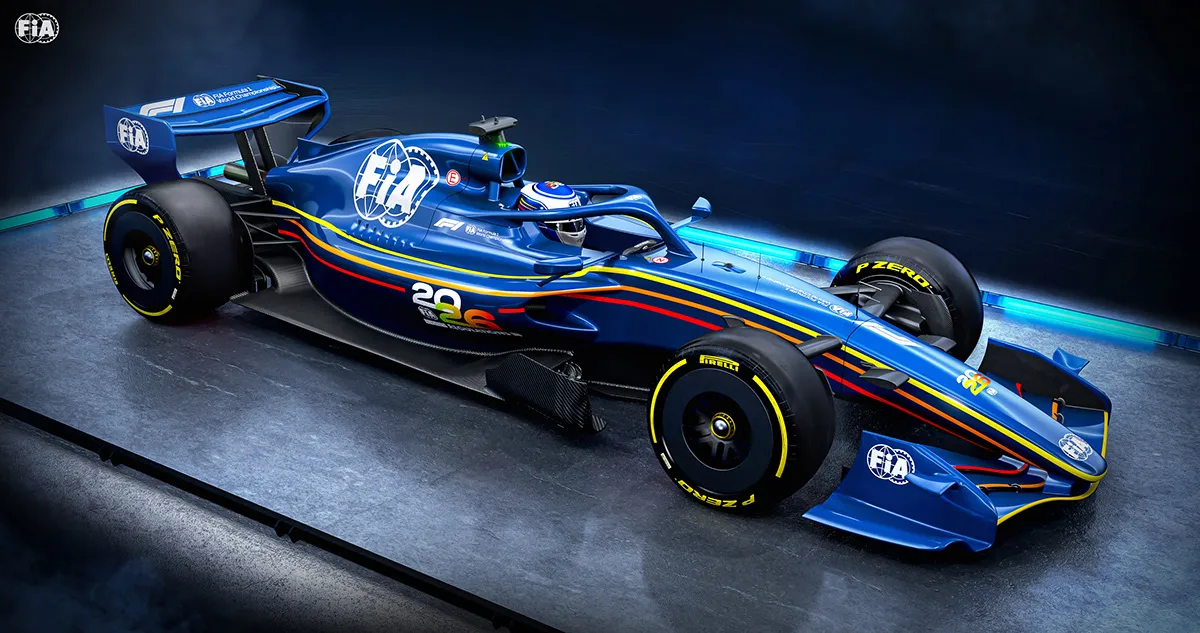
Its 2026 regulations move in the opposite direction, doubling down on hybrid complexity with a near 50/50 power split between internal combustion and a revised 350kW electric system. Where Formula 1 positions hybridization as a peak expression of engineering and marketing alignment, the WRC has moved toward cost containment, targeting a €345,000 ceiling.
This divergence clarifies the lesson of the past three years:
The future of top-level motorsport will not be defined by a single technological path, but by how precisely each discipline aligns its technical ambition with its economic reality.
Conclusion: What Actually Endures
The hybrid era will not be remembered for its power figures, but for what it clarified.
Technology alone does not define progress.
Integration does.
A system that cannot be sustained - financially, logistically, or competitively - does not advance the sport. It isolates it.
What emerges from this transition is not a diminished WRC, but a more self-aware one, a championship recalibrating its limits to preserve its relevance.
The next phase will not be defined by what is added, but by what is retained.
And that distinction matters more than any kilowatt figure ever did.
 @vera.von.monika
 @veravonmonika
 Livedoor