Governor Takato Ishida Exclusive Interview: The Architecture of “Rising Fukui”
Within contemporary Japan, regional leadership increasingly requires more than administrative management alone. Governors are now expected to navigate demographic decline, cultural preservation, international visibility, and economic reinvention simultaneously — balancing local realities against an increasingly global framework.
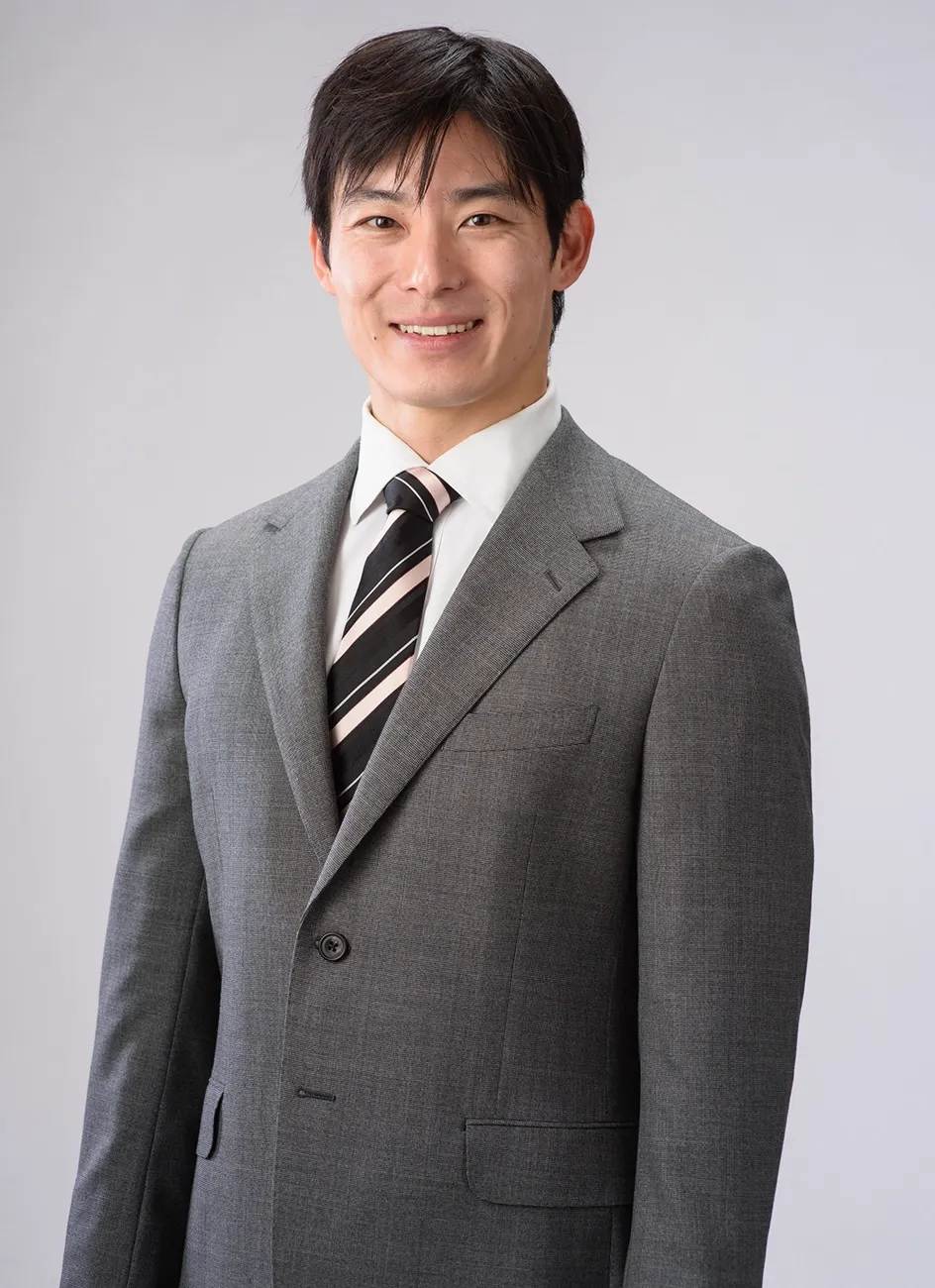
Photo: Fukui Prefectural Government
Takato Ishida, elected in 2026 as the youngest prefectural governor in Japanese history, represents a generation of leadership emerging directly from that intersection. With a background in diplomacy at Japan’s Ministry of Foreign Affairs and studies at Georgetown University, Ishida approaches Fukui Prefecture not simply as a regional administrative unit, but as a cultural and economic identity requiring careful long-term positioning.
Yet the core of his governance philosophy remains notably local. Beneath the growing international visibility and social media attention is a consistent emphasis on what he describes as “resident-first” policymaking: direct engagement with communities, intergenerational cooperation, and the preservation of Fukui’s industrial and cultural foundations.
That balance becomes especially visible in a prefecture defined by contrasts: the spiritual legacy of Eiheiji Temple alongside advanced manufacturing; centuries-old Echizen craftsmanship beside AI and space-industry initiatives; quiet Zen traditions existing within an increasingly digital tourism economy.
Having long observed the cultural dialogue between Europe and Japan, I found Ishida’s perspective particularly distinctive in the way it balances international fluency with deep regional grounding.
In this exclusive conversation, Governor Ishida discusses the philosophy behind “Rising Fukui,” the challenge of sustaining authenticity while pursuing international relevance, and why he believes regional Japan may hold some of the most important cultural lessons for the future.
Governor Ishida, your background at Georgetown and your international experience reflect a global outlook. As the leader of a traditional Japanese prefecture, what has been the most significant balance you’ve had to navigate between this global perspective and local realities?
During my time as a diplomat, I was required to have strong communication skills — explaining Japan's policies and initiatives to other countries.
Since becoming Governor, I believe that in addition to communicating outward, it is equally important to listen — to hear the voices of the people of Fukui. I aim to run the prefecture with a thorough resident-first perspective.
The challenges facing residents, municipalities, and businesses are diverse, and there is often no single solution. So I make it a point not only to hear from people, but to visit sites in person whenever possible to see things firsthand. From there, my role as Governor is to organize those challenges and present policy directions that residents can understand and support.
Many regional areas struggle to pursue economic growth without losing their unique identity. What priorities are you setting to ensure Fukui’s development strengthens, rather than dilutes, its authentic character over the coming decade?
Textiles and eyewear are the core local industries of Fukui Prefecture. The textile industry is said to have begun around the 2nd–3rd century AD, making it an industry with a very long history.
Fukui is also home to many traditional crafts, such as Echizen washi paper and Echizen bladed tools, whose techniques are recognized and valued around the world.
These industries have supported Fukui's economy for a long time while preserving their uniqueness and appeal. I want to continue providing the necessary support to preserve and develop them with care.
Could you share a recent initiative or project that best represents your vision for Fukui, and what impact it has had so far?
The vision I have for Fukui is a "Rising Fukui" — a place where every person, regardless of generation, can take on challenges with a positive spirit and realize their personal aspirations.
To achieve this, I have adopted "Respect Across Generations" as a core policy principle, rooted in my personal belief of "always respecting others" — a society where both the young and the experienced recognize and appreciate one another.
For example, this past April I launched a first-of-its-kind "Policy Meeting" initiative, where I joined younger staff members for open discussions on policymaking. I felt real potential in these candid exchanges to empower younger staff, and I intend to continue sharing challenges and debating policy together.
I also plan to actively visit businesses and organizations in the field to communicate directly with residents, so that policies are truly grounded in the resident's perspective.
Ultimately, I want to build a "Rising Fukui" together with its people.
“Ultimately, I want to build a ‘Rsing Fukui’ together with its people — a society that bridges generations, where young and older alike respect each other and can chase their dreams and hopes with their own will and responsibility.”
Cultural heritage can sometimes be reduced to a form of promotion. How do you ensure that Fukui’s craftsmanship and Zen roots remain a living and meaningful part of everyday life?
Fukui is one of Japan's leading manufacturing hubs, home to world-renowned eyewear, textiles, and traditional crafts. Each of these industries has a long individual history — some stretching over 1,500 years — and they have earned international recognition. One often-cited example is that the 17th-century Dutch painter Rembrandt reportedly used Echizen washi paper in his prints.
The prefecture facilitates matchmaking between local artisans and designers from outside the region to update traditional crafts for contemporary lifestyles. For instance, in the case of Echizen washi, products have been developed using the same hand-papermaking process but with discarded vegetables and fruits as raw materials — a distinctly sustainability-focused initiative. We are also exploring new products using Torinoko-shi (鳥の子紙), a type of Echizen washi associated with UNESCO-recognized Echizen washi traditions.
To secure the next generation of artisans, we work with relevant municipalities and guilds to recruit young people from across Japan who aspire to become craftspeople. We support them with necessary training and cover living expenses for up to four years during their apprenticeship period.
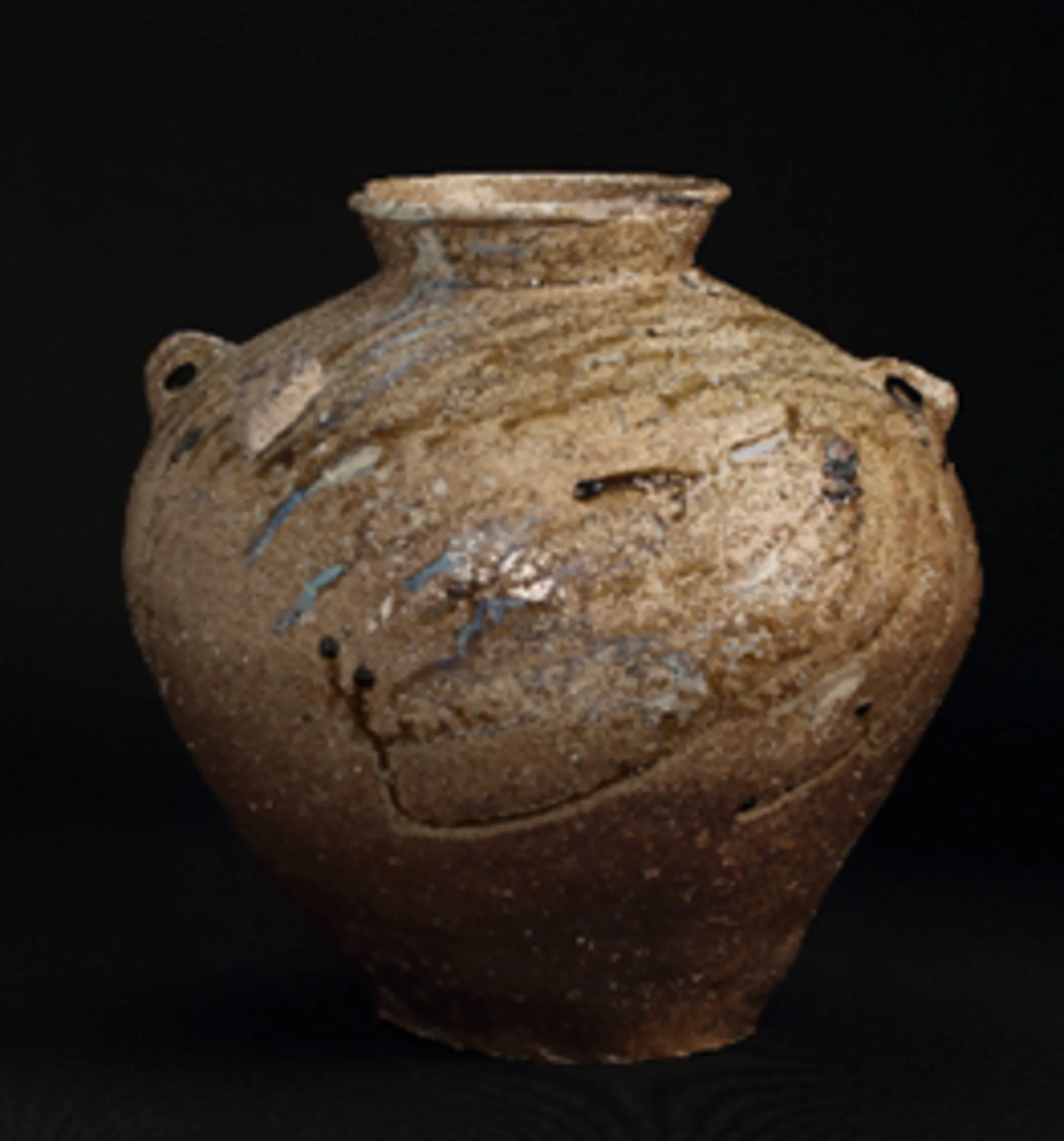

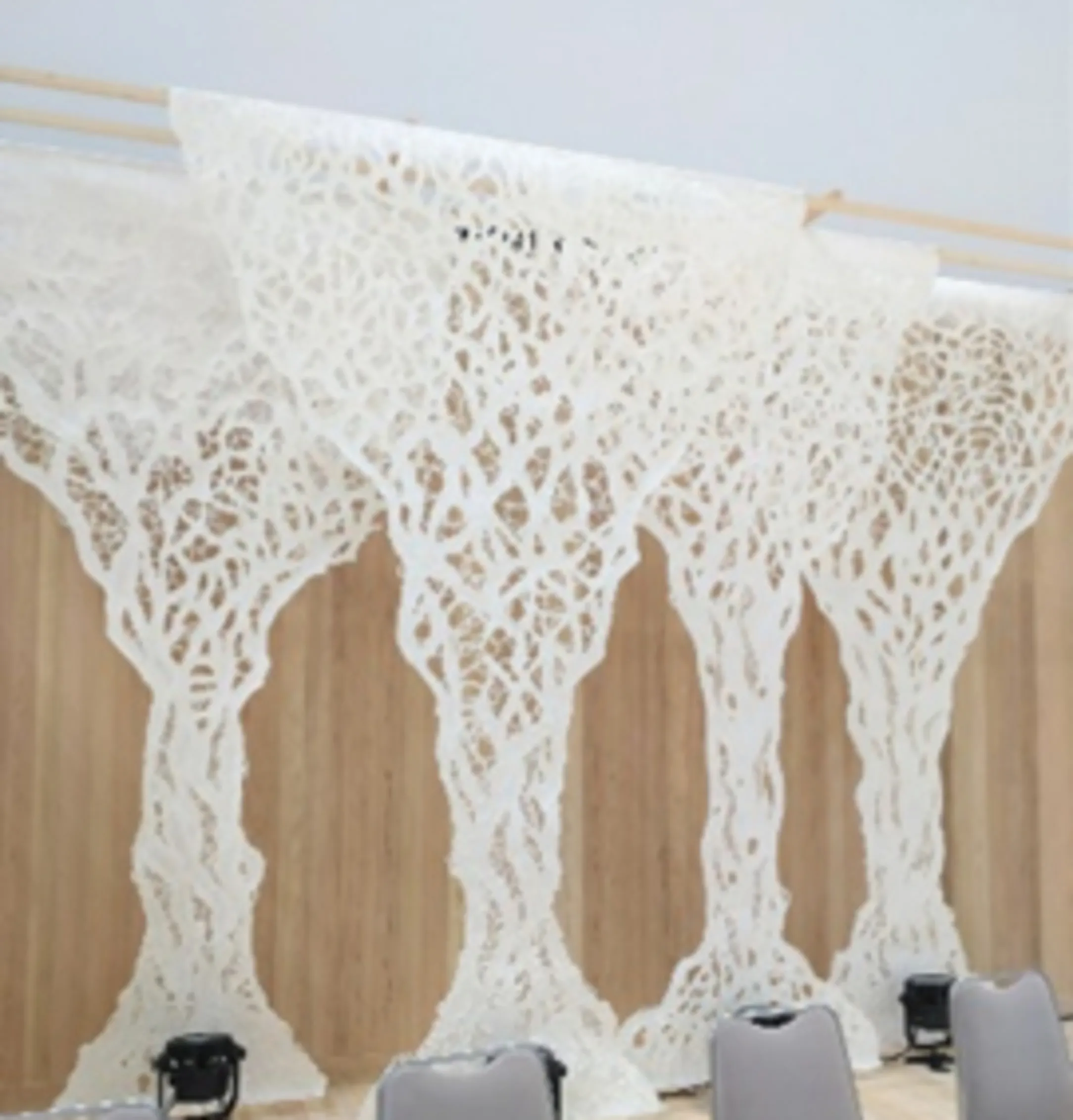
Traditional Crafts of Fukui Prefecture
Photo: Fukui Prefectural Government
The Hokuriku Shinkansen extension brings new opportunities, but also increased competition. What do you see as Fukui’s most distinctive strength in standing out alongside larger metropolitan areas?
For international travelers, I believe the value of choosing Fukui as a destination lies in the ability to quietly and deeply experience world-class authenticity.
Fukui has many attractions, but I would like to highlight two in particular:
- "ZEN Alive. Fukui" — A Fukui where the spirit of ZEN nourishes body and soul The spirit of ZEN quietly permeates the daily life and culture of Fukui. Beyond the spiritual culture represented by Eiheiji Temple, the crafts — Echizen washi, Echizen lacquerware, Echizen bladed tools — and the gastronomy — Echizen crab, heshiko, local sake, Zen cuisine — are all connected to the ZEN value of "engaging carefully, harmonizing with nature, and calming the mind." Special, immersive experiences in artisan workshops and gastronomy unique to Fukui offer travelers a quiet encounter with authentic Japan.
- The world-class Dinosaur Kingdom The Fukui Prefectural Dinosaur Museum is a top-tier dinosaur research center in the world, attracting visitors of all nationalities. For families in particular, it offers a special experience where learning and excitement coexist, making it a major motivation for visiting Fukui.
Fukui also has deep ties to Kyoto. Adjacent to Kyoto yet facing the Sea of Japan, Fukui has historically been one of Japan's Miketsukuni — regions that supplied the imperial court with salt, seafood, and abundant food. I want visitors who enjoy popular destinations like Tokyo, Osaka, and Kyoto to also choose Fukui — a place not yet over-touristed — to quietly and deeply savor authentic Japan through its ZEN-rooted culture, the fine food traditions that sustained Kyoto's cuisine, and a world-class dinosaur experience.
Regional Japan continues to face the challenge of attracting younger generations. What do you see as the most important factor in making Fukui appealing to young professionals and entrepreneurs?
To attract younger generations, I believe the two most important factors are attractive companies and attractive ways of working.
With that in mind, we are pursuing the following initiatives:
- Attracting businesses and investment: Recruiting companies that offer urban-level salaries, as well as R&D-oriented firms where specialized knowledge can be applied.
- Local industries: Supporting technology development in growth sectors such as the space industry and AI/IoT.
- Workplace reform initiatives: Providing hands-on support to help companies introduce remote work, and offering incentives to promote paternity leave.
Going forward, we will continue to support Fukui's local industries — the eyewear industry (one of the world's top three production hubs), the textile industry (used not only in apparel but also in automobiles and the space sector), as well as globally recognized technologies like bladed tools and washi paper.
We will also advance youth-centered industrial and labor policies — supporting the introduction of diverse work styles such as remote work and short-hour arrangements, and backing young people who aspire to start businesses — so that more companies in the prefecture can become places where young people realize their personal aspirations.
Fukui is uniquely defined by both its spiritual heritage, such as Eihei-ji, and its natural identity as the “Dinosaur Kingdom.” How do you approach balancing development with the preservation of these defining elements?
Fukui is home to many charms passed down through generations — Eiheiji Temple, dinosaurs, rich nature, beautiful landscapes, and deep history and culture. To enhance these assets into the future, the prefecture is working on development and revitalization that leverages these regional characteristics.
For example, at Eiheiji, the grand head temple of Zen, the prefecture, Eiheiji Town, and the temple itself have been collaborating on a project to comprehensively redevelop the temple's gateway area. This includes building lodging facilities for international visitors, restoring the old approach road and riverside in an integrated manner, and establishing a tourist information center — refining the precinct into "an environment where visitors can experience the serene spirit of Zen." A circular route has also been established for visitors arriving along the river and departing through the temple gate, promoting welcoming of visitors from both Japan and abroad.
At Fukui Prefectural University, a new faculty with "dinosaur" in its name — the first of its kind in Japan — was established last April and has attracted significant attention. This April, the Katsuyama Campus adjacent to the museum was completed. It features close collaboration in both personnel and resources with the museum, field science in actual dinosaur excavation sites, and innovative digital research methods — an unprecedented integrated space for research, education, and community.
In this way, the prefecture is both upgrading and promoting the elements that define Fukui — its spiritual culture rooted in Zen, and its identity as the Dinosaur Kingdom.
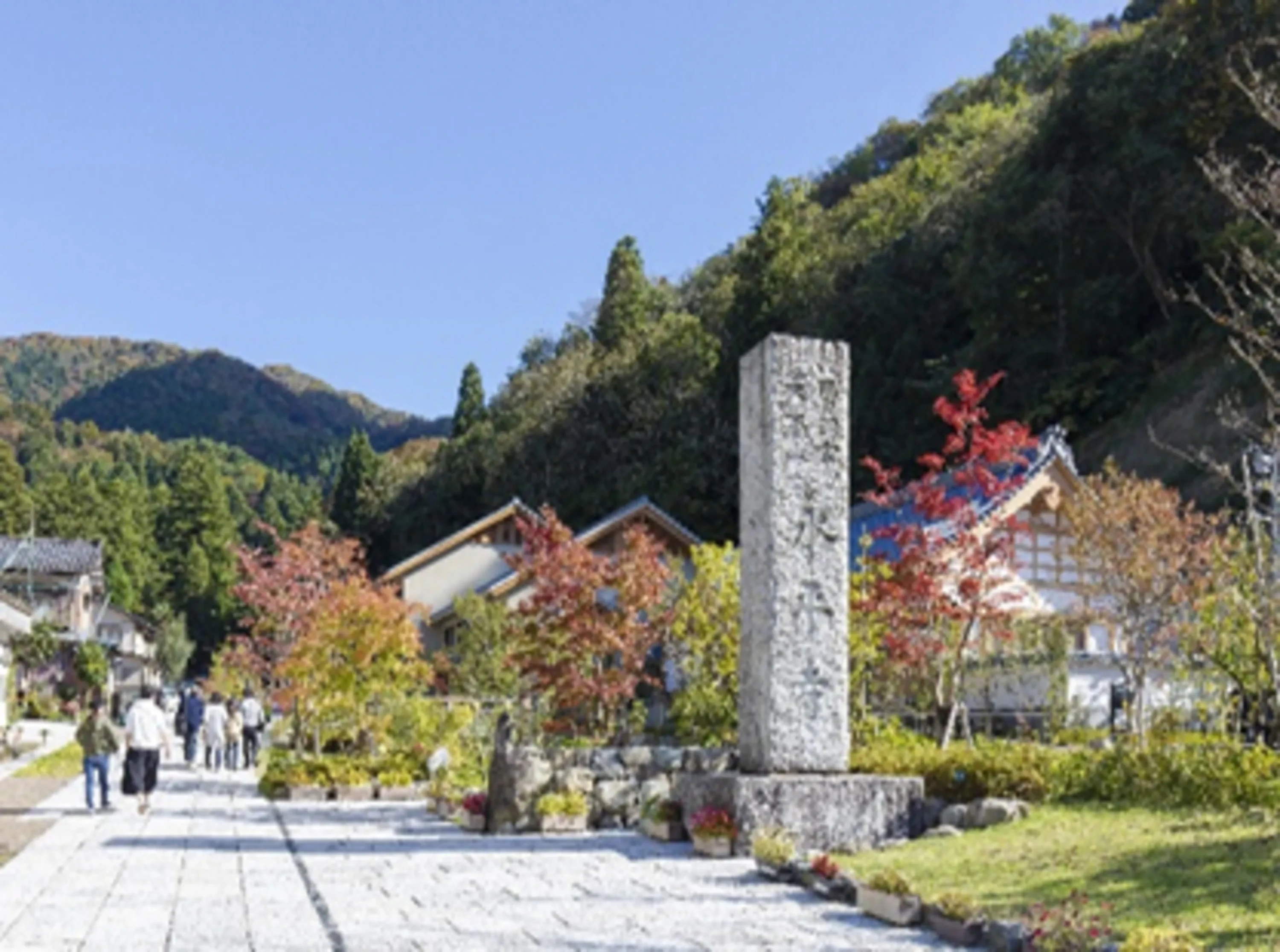
Redevelopment Project Around Eiheiji Temple’s Historic Monzen District
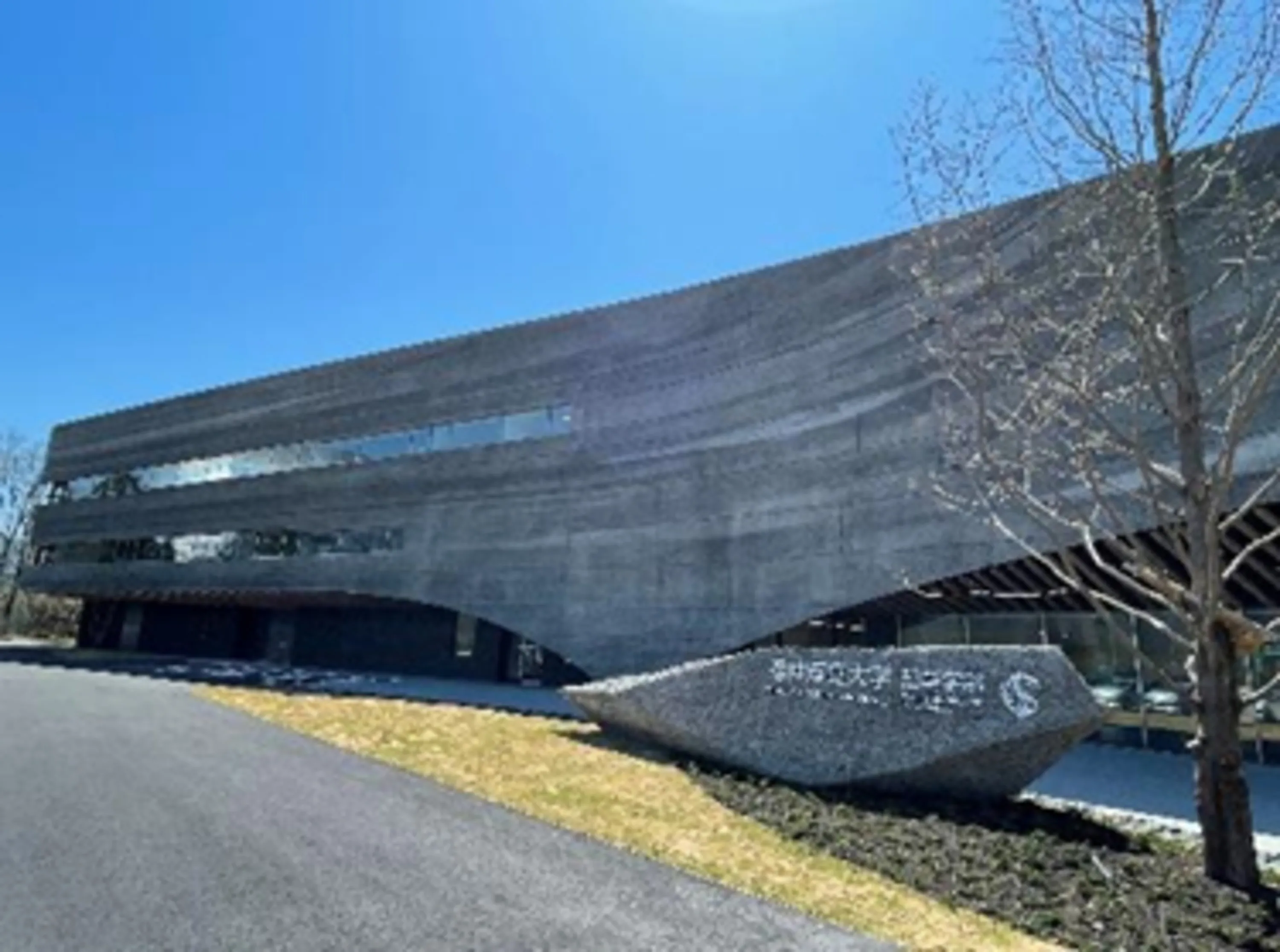
Fukui Prefectural University – Katsuyama Dinosaur Campus
Photos: Fukui Prefectural Government
As Governor, how intentional are you in shaping Fukui’s international image, and what kind of perception would you ultimately like to establish?
I am approaching the formation of Fukui's international image with a level of intentionality that is unprecedented. For example, in my own social media posts, I publish in both Japanese and English, with a strong awareness of reaching and resonating with audiences around the world. Drawing on my international experience, I also plan to personally travel abroad for high-level international outreach, so that Fukui's appeal becomes recognized globally.
Fukui has far more to offer than just ZEN and dinosaurs — traditional crafts, authentic nature and culture, and exceptional food ingredients that reveal more the deeper you look. I believe the key is how we communicate these high-quality tourism resources as compelling stories that become travel destinations in their own right.
By combining Fukui's scattered attractions — ZEN × food, food × craft, and more — and bundling them into value-added narratives, I want to deliver Fukui's worth to the world. I hope Fukui will come to be recognized as a place that embodies authentic Japanese culture, building on the history, traditions, and food culture that our predecessors cultivated.
On a personal level, what first inspired you to enter public service, and how has that motivation evolved as you lead the future of the prefecture?
While studying abroad in the United States as a university student, the Great East Japan Earthquake occurred. Witnessing the devastating situation in the affected areas through news reports helped shape my identity as a Japanese, and I felt strongly that I wanted to "work for Japan as a Japanese." That is what led me to become a diplomat after graduation.
As a diplomat working in Zambia and Australia, I was deeply moved by how my local colleagues worked with full dedication and pride for their own homelands. This became a turning point for me to reflect on my own roots. I developed a strong sense of identity as a person from Fukui, with the desire to "dedicate myself to the place where I was born and raised," and that is what led me to aspire to become Governor of Fukui.
Since taking office, I have met with many residents, businesses, and organizations. Hearing their deep attachment to and pride in Fukui, as well as the real challenges they face, has only strengthened my commitment to giving everything I have for Fukui where I was born and raised.
I feel genuine gratitude for being given the opportunity to actually work for Fukui, and I pour myself into my work every single day.
Finally, is there a specific message or vision you would like to share with the international community regarding the future of Fukui and its place in the world?
Please come to Fukui. Please experience authentic value here — I promise you will not regret it.
Fukui is alive with rich culture, history, and nature to be proud of on the world stage: Echizen washi, associated with UNESCO-recognized traditions; the Prefectural Dinosaur Museum; Eiheiji, the home of Zen; and the Five Lakes of Mikata, where nenkou (annual sediment layers) have formed over millennia.
Fukui is also home to world-class manufacturing industries — eyewear and textiles — that carry forward centuries of tradition, as well as a deeply rooted food culture drawing on nature's bounty: rice, soba, and an abundance of seafood.
Furthermore, Fukui — said to rank No. 1 in Japan for happiness — carries within it the accumulated wisdom of generations: the ways of living, commerce, and craftsmanship built by those who came before.
These are values I believe can be shared with the world in an era that places increasing importance on sustainability and well-being.
One of my greatest missions is to share Fukui's value with the world in a meaningful and lasting way. I want to pass on to the next generation a Fukui worthy of global pride — sharing with the world the spirit of craftsmanship that lives on from traditional arts to modern industry, and the carefully accumulated values of Zen and beyond.
"Please come to Fukui. Please experience authentic value here — I promise you will not regret it." — Governor Takato Ishida
 @vera.von.monika
 @veravonmonika
 Livedoor