President of WFDP H.E. Ekramy El Zaghat: Institutions, Trust, and the Future of Global Development
In a world reshaped by artificial intelligence, geopolitical uncertainty, and evolving models of international cooperation, questions of governance, institutional resilience, and sustainable development have never been more urgent. As President of the World Fund for Development and Planning (WFDP), H.E. Ekramy El Zaghat has emerged as a prominent voice for a development model built not on funding alone, but on capacity, trust, and long-term institutional strength.
Central to his approach is what he calls Institutional Capital — the credibility, governance, and public trust that ultimately determine a nation's ability to attract investment, implement policy, and sustain progress. He extends this thinking into what he terms Development Sovereignty: a future in which nations lead the design, financing, and delivery of their own development, supported rather than replaced by international partnership.
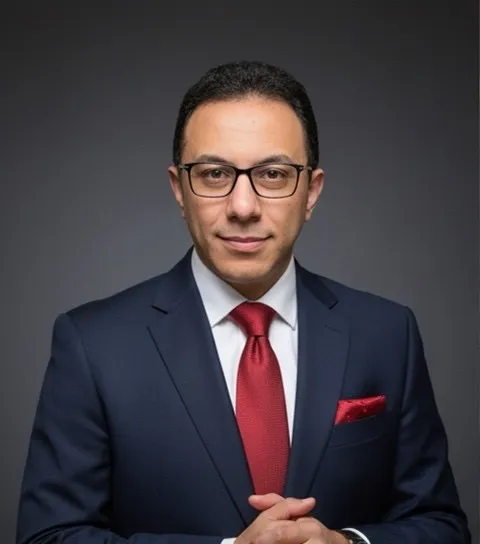
Image courtesy of H.E. Ekramy El Zaghat
In this exclusive interview, H.E. Ekramy El Zaghat reflects on the future of international development, the responsibilities institutions face as artificial intelligence reshapes global systems, the gap between global vision and local implementation, and why sustainable progress begins with leadership, trust, and national capacity.
As President of the World Fund for Development and Planning, what achievement over the past year do you consider most significant in advancing the organization’s mission and impact on global development?
Our most significant achievement over the past year was not simply expanding WFDP’s international presence. It was redefining the role of a development institution in a rapidly changing world.
For many years, development institutions have largely been viewed as providers of technical assistance, financial support, or humanitarian programs. At WFDP, we have adopted a broader vision. We have positioned the organization as a strategic development partner that works alongside governments in national development planning, institutional capacity building, policy dialogue, and long term implementation. Development does not begin with funding. It begins with vision, capable institutions, strategic planning, and trusted partnerships.
This transformation has been accompanied by a significant expansion of our institutional engagement across the international system. We have strengthened our cooperation with the United Nations through deeper engagement with several principal UN bodies while also expanding our collaboration with major intergovernmental organizations, including the African Union, the League of Arab States, the European Union, and other regional institutions. These relationships are valuable because they connect expertise, encourage dialogue, and support countries in advancing their own national priorities.
Another important milestone has been our work on the future of development finance. As digital transformation reshapes economies around the world, international development must evolve as well. WFDP has introduced an innovative institutional approach that explores the responsible use of digital transformation, virtual financial instruments, and emerging technologies within development frameworks. Technology alone is never the answer. It must always be supported by sound governance, transparency, accountability, and public trust.
Ultimately, development should not create dependence. It should strengthen national capacity, reinforce institutional resilience, and enable countries to shape their own future. The next generation of development institutions will be defined not by the amount of funding they provide, but by the strength of the institutions they help build.
The United Nations Sustainable Development Goals provide a shared framework for international progress. Looking at today’s global landscape, which goals require the most immediate attention and collective action?
The Sustainable Development Goals remain one of humanity’s greatest shared commitments. Today’s challenge is no longer a shortage of goals. It is a shortage of institutional capacity to achieve them.
If I were to identify the most urgent priorities, I would begin with quality education. Education is not simply another development sector. It is the foundation upon which resilient institutions, competitive economies, and inclusive societies are built.
Equally important is strengthening governance and public institutions. Strong institutions are often viewed as the outcome of development. In my view, they are its starting point. Institutional credibility, transparency, accountability, and public trust form what I describe as Institutional Capital. Like financial capital, it determines a nation’s ability to attract investment, implement policy, respond to crises, and sustain long term progress.
Responsible digital transformation is another priority. Artificial Intelligence, data, and digital technologies are reshaping every aspect of society. Innovation creates extraordinary opportunities, but without effective governance, ethical standards, and institutional safeguards, it can also create new risks.
Finally, sustainable development depends on genuine partnership. Governments, international organizations, academia, civil society, and the private sector must move beyond traditional cooperation toward genuine co creation of solutions.
In the end, development will not be measured by the number of commitments we make. It will be measured by the strength of the institutions we build and the trust we create.
In your contributions to the Forbes Nonprofit Council, you have spoken about the importance of purposeful leadership. In an era of rapid economic and industrial transformation, how can leaders maintain a balance between growth, responsibility, and human centered values?
Technology is advancing faster than institutions, and markets are evolving faster than governance. In this environment, leadership is no longer defined by how quickly change is achieved. It is defined by how responsibly that change is managed.
Economic growth and technological innovation are essential drivers of progress, but they are means rather than ends. Their true purpose is to improve lives, strengthen societies, and expand opportunities in a way that is both inclusive and sustainable.
Artificial Intelligence illustrates this challenge perfectly. It has the potential to transform education, healthcare, public administration, and economic productivity. Yet technology does not possess judgment, ethics, or accountability. It can accelerate decisions, but it cannot replace wisdom.
For this reason, governance must evolve alongside innovation. Every technological breakthrough should be matched by strong ethical standards, effective regulation, and institutions capable of maintaining public trust.
Leadership should also be judged by what it leaves behind. Immediate achievements matter, but lasting leadership is measured by the strength of the institutions it builds and the opportunities it creates for future generations.
The leaders who will shape the future will not simply manage change. They will build institutions capable of guiding change responsibly.
Translating ambitious development strategies into tangible outcomes often requires navigating complex realities on the ground. What has been the greatest challenge in bridging global vision with local implementation?
One of the greatest misconceptions in international development is the belief that good ideas automatically produce good results. The real challenge lies in transforming vision into implementation.
Global strategies provide direction, but sustainable results depend on institutional readiness, national ownership, and the ability to adapt solutions to local realities. Development cannot be imported. It must be built through partnership that respects each country’s priorities, governance structures, and social context.
One lesson has become increasingly clear throughout my experience. Projects deliver results, but institutions sustain them. Infrastructure, technology, and investment are all essential, yet without capable institutions to govern, maintain, and improve them, their impact gradually declines. Institutions are the invisible infrastructure behind every successful development strategy.
This is why I advocate moving beyond traditional models of development assistance toward strategic partnerships that strengthen planning, governance, implementation capacity, and long term resilience. The objective should never be permanent support. It should be permanent capability.
Vision creates direction. Implementation creates history. The countries that will lead tomorrow are not necessarily those with the boldest plans, but those with the strongest institutions to turn ambition into lasting progress.
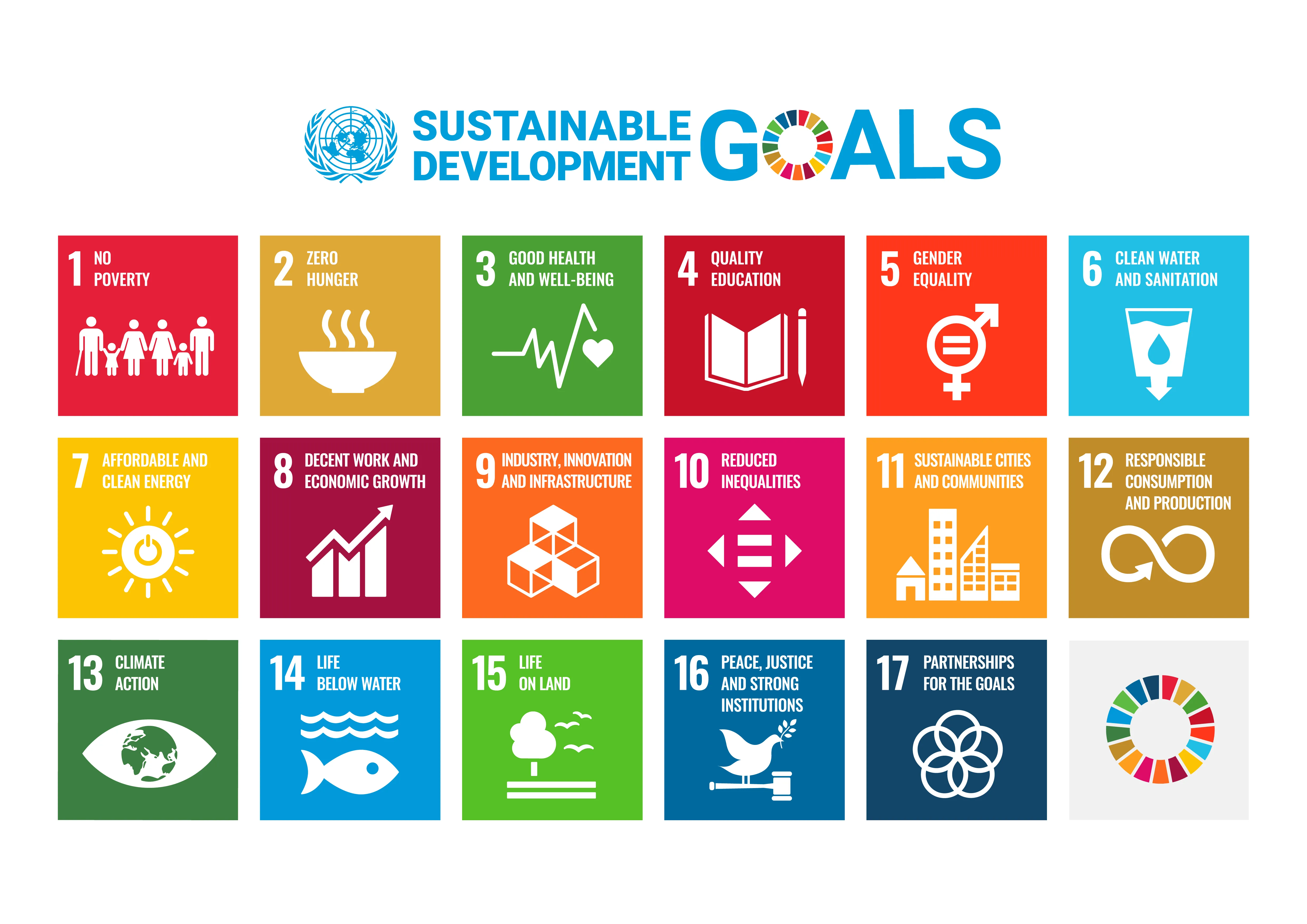
Image courtesy of United Nations/ Global Goals
Successful development increasingly depends on collaboration between governments, civil society, and the private sector. What principles guide your approach to building partnerships that remain aligned with long term humanitarian objectives?
The strongest partnerships are not built on shared interests alone. They are built on shared values.
Funding, expertise, and institutional capacity all matter, but I have come to regard trust as the most valuable asset any development institution can possess. Trust cannot be purchased or imposed. It is earned through consistency, transparency, accountability, and respect for national priorities. I often describe this as Institutional Capital. Like financial capital, it determines an institution’s credibility, influence, and long term effectiveness.
Neutrality is equally important. I do not see it simply as an ethical principle. I see it as a strategic advantage. Development institutions are most effective when they remain trusted partners that facilitate dialogue, build consensus, and support national priorities without becoming part of political competition. Once credibility is weakened, sustainable partnerships become much harder to sustain.
Successful cooperation should also strengthen national ownership rather than create dependency. International organizations should help countries build stronger institutions, expand local capacity, and increase resilience. Their role is to complement national leadership, not replace it.
Every partnership should ultimately be judged by one question. Has it left the country stronger than before? If it has strengthened institutions, developed people, and improved governance, then it has achieved its purpose.
The future of international cooperation will belong to institutions that earn trust, preserve their neutrality, and help nations build lasting capability.
Across the Middle East and Africa, conversations around sustainable growth continue to evolve. Which areas of investment or development do you believe are currently the most critical for strengthening long term regional resilience and self reliance?
The Middle East and Africa should not be defined by their challenges alone. They should be recognized for their extraordinary potential.
Both regions possess strategic advantages, including a young population, abundant natural resources, expanding digital connectivity, and increasing regional integration. The priority now is to transform these advantages into sustainable prosperity.
The most important investment is not in a single sector. It is in national capacity. Strong institutions, skilled people, sound governance, and an environment that encourages innovation and responsible investment form the foundation of long term resilience.
Education remains the starting point, but education itself must evolve. Future economies require digital skills, entrepreneurship, creativity, and lifelong learning. At the same time, countries should continue investing in healthcare, food security, renewable energy, digital infrastructure, and efficient logistics.
Technology will also play a defining role. Artificial Intelligence, digital finance, and data driven economies present enormous opportunities, provided they are supported by effective governance, ethical standards, and public trust.
This vision is closely connected to what I describe as Development Sovereignty. Every nation should have the capacity to design, finance, implement, and sustain its own development while benefiting from international cooperation based on partnership and mutual respect.
Ultimately, resilience is measured long before a crisis begins. It is reflected in the strength of institutions, the preparedness of society, and the ability of a nation to shape its own future with confidence.
Young entrepreneurs, innovators, and community leaders are becoming increasingly influential in shaping the future of development. What more can international institutions do to support and empower these emerging voices?
Young people should no longer be viewed simply as beneficiaries of development. They are already shaping the future through innovation, entrepreneurship, research, and community leadership.
The responsibility of international institutions is therefore changing. Rather than creating opportunities for young people, we should create opportunities with them. They should participate in designing policies, shaping institutions, and contributing to development strategies from the very beginning.
This requires a shift in institutional culture. We must move from consultation to genuine co creation. Young people should be trusted with meaningful responsibility, because trust is one of the most effective forms of empowerment.
Supporting youth also means investing in education, innovation, leadership, and digital inclusion while ensuring that technological progress is guided by ethics and public responsibility.
Every generation inherits institutions built by those before it. Our responsibility is to ensure that the next generation inherits institutions that are stronger, more transparent, and better prepared for the future.
Sustainable development is achieved not only by preparing young people for tomorrow’s institutions, but by preparing today’s institutions for tomorrow’s leaders.
Looking ahead, what upcoming initiative, project, or strategic priority are you most excited about, and what impact do you hope it will have on the communities it serves?
What excites me most is not a single project. It is the opportunity to help shape the next generation of international development.
The world is experiencing profound transformation driven by Artificial Intelligence, digital economies, demographic change, climate challenges, and new models of international cooperation. Development institutions must evolve accordingly. Their mission remains the same, but the way they deliver value must continue to change.
At WFDP, our strategic priority is to help countries strengthen long term development capacity through institutional development, strategic planning, leadership, governance, digital transformation, and innovative approaches to sustainable development finance. Our objective is to build stronger partnerships between governments, international organizations, academia, and the private sector so that development becomes more collaborative, knowledge driven, and sustainable.
Looking ahead, I see the role of international organizations evolving from implementing projects to strengthening the institutions that enable countries to design, finance, and sustain their own development. This reflects what I describe as Development Sovereignty, a future in which nations lead their own development while benefiting from trusted international partnerships.
If there is one legacy I hope our work leaves behind, it is stronger institutions that continue creating opportunities long after individual projects have ended. Projects improve communities for a period of time. Strong institutions improve generations.
The future of development will not be defined by the size of budgets or the number of projects delivered. It will be defined by the strength of institutions, the quality of governance, and the trust that enables societies to build a more resilient and inclusive future.
“Projects improve communities for a period of time. Strong institutions improve generations."
— H.E. Ambassador Ekramy El Zaghat
 @vera.von.monika
 @veravonmonika
 Livedoor