UK: Resonance After Checkmate
When UK of Apeace - the South Korean group that debuted as one of the largest formations in K-pop and built a decade-long performance presence in Japan, stepped into his solo chapter with Checkmate in 2021, it did not read as reinvention. It read as decision. After ten years inside a large-scale idol framework and time away from the stage, his trajectory has shifted from expansion to density - the weight of presence, the control of pace, the discipline of breath.
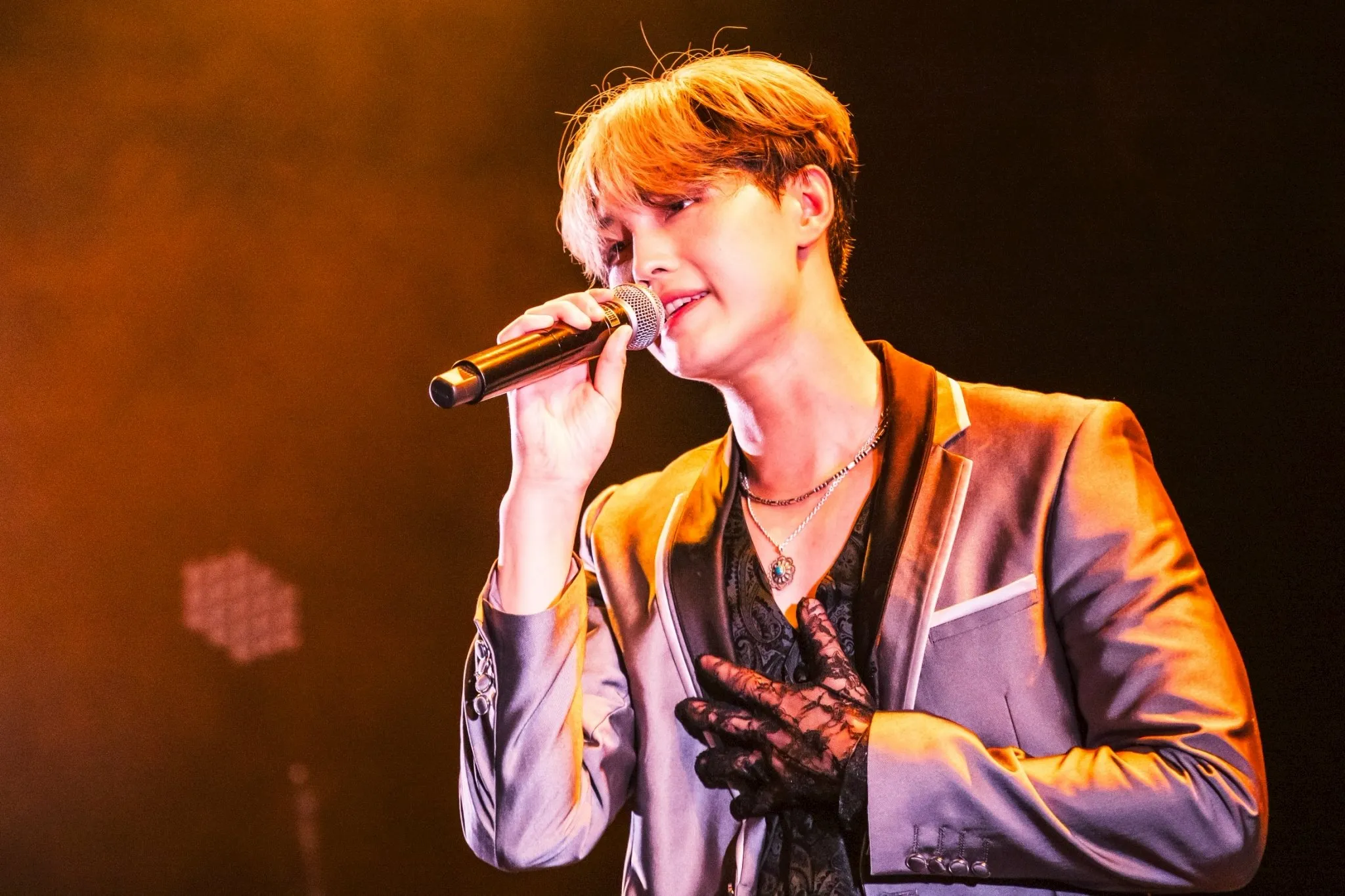
Image courtesy of UK
In this conversation, UK reflects on pace, emotional translation across continents, and why resonance outlives spectacle. What emerges is not a narrative of comeback, but of refinement - an artist choosing depth over volume, connection over projection.
When you launched your solo project in 2021 with Checkmate, it felt like more than a debut, almost a statement. Looking back now, how do you see that moment in relation to who you are artistically today?
Checkmate was less a debut and more a decision. It felt like choosing a direction.
It wasn’t about showing something to others. It was about confirming something to myself. From that point on, I began walking in my own rhythm.
After a decade performing with Apeace in Japan, you built a distinct kind of discipline and presence. What part of that long tenure still lives in your approach now?
Ten years with Apeace made me steady.
I learned attitude before technique.
Even now, before stepping on stage,
I remind myself of the responsibility of standing in front of people.
One of the most challenging transitions for artists is returning after military service. For you, what was the first thing that felt different when you stepped back into performance again?
After military service, what changed most was my sense of pace. Before, I was focused on doing better. Now, I stay longer in each moment.
Simply standing on stage feels more vivid.
You have engaged with audiences in Asia for years, and in Europe through events like Japan Expo in France. What has surprised you most about performing for European crowds compared to Japanese or Korean fans?
In Europe, emotion comes back immediately.
There is no hesitation.
It’s different from Japan’s focus or Korea’s intensity. There is a direct honesty that stayed with me.
Your music exists at the intersection of language and emotion. How do you navigate emotional nuance when singing for audiences who might not fully understand the lyrics?
I believe emotion remains, even when language doesn’t. So I focus on breath more than words.
A pause. A look.
Sometimes they speak louder than lyrics.
Checkmate leaned into duality and tension in both rhythm and performance. When you choose or create future songs, what qualities matter most to you - narrative, movement, or emotional resonance?
When I choose a song, I ask myself:
Can I carry this feeling to the end?
Movement and narrative matter, but what lasts is resonance.
Performing at festivals and signing events creates both spectacle and intimacy. How do you balance that energy, to give something unforgettable while staying true to yourself?
The bigger the stage, the quieter I try to become. I look for one real moment of connection.
That single point of eye contact keeps me grounded.
Your solo trajectory includes both planned releases and periods of pause. How do silence and absence factor into your creative process?
Silence is not stopping.
It’s breathing.
It’s the time when unspoken emotions grow.
I trust that process.
Across years of change - group life, solo work, service, comeback - how do you define presence now? What does it mean to you when you step out in front of an audience?
Presence, to me now, is not power but density. Not appearing bigger - but standing deeper.
I don’t want to perform at the audience. I want to breathe with them.
Looking ahead, is there a part of your artistry you haven’t fully explored yet, something you are quietly curious about but haven’t expressed publicly?
There is still a side of me I haven’t fully shown.
A softer edge. Maybe one day, it will become a song on its own.
 @vera.von.monika
 @veravonmonika
 Livedoor