UGO MOZIE: Style as Power, Culture as Legacy
Ugo Mozie is a Nigerian-American fashion stylist, creative director, and designer whose work has shaped some of the most unforgettable moments on the global stage. Known for dressing icons such as Beyoncé, Justin Bieber, and Celine Dion earlier in his career, Mozie’s influence culminated in one of 2025’s most talked-about red-carpet moments at the Met Gala, where he styled Diana Ross in a custom gown with an 18-foot embellished train embroidered with her family’s names under his luxury brand Eleven Sixteen - a striking fusion of heritage, symbolism, and couture that captivated international fashion discourse.
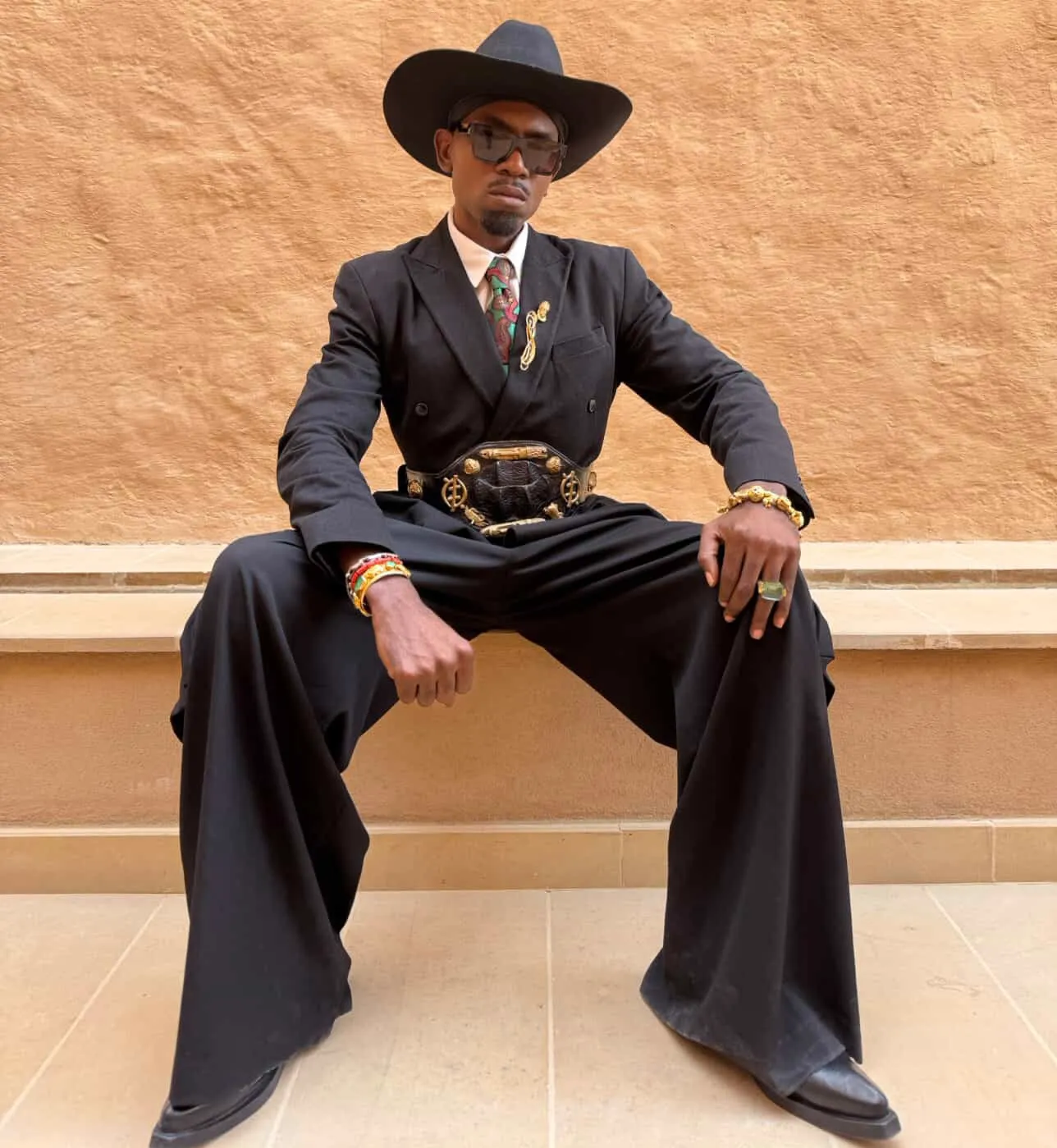
Image courtesy of Ugo Mozie (@ugomozie)
In this interview, Ugo Mozie shares how his Nigerian heritage and early experiences shaped an approach to fashion that elevates culture and identity - moving fluidly between styling global icons and creating his own visionary brand.
Looking back at your journey from Nigeria to styling global icons, how did your upbringing and roots shape your approach to fashion and creativity? Were there early experiences that made you see style as a form of storytelling?
Growing up in Nigeria, style was never just about clothing. It was identity, pride, ceremony, and memory. I watched how people dressed for weddings, for church, for celebrations, for everyday life. Every fabric meant something. Every color carried intention. Even the way elders carried themselves taught me that presentation was a language.
Moving to the U.S., I realized that what I grew up seeing as normal was actually deeply rich and layered. That’s when I started to understand that fashion could tell stories. It could hold history. It could honor where you come from while showing where you’re going. My upbringing gave me a deep respect for craftsmanship and symbolism, and that’s something I carry into everything I do.
You’ve worked with some of the world’s most iconic figures. How do you read someone’s essence and translate that into what they wear? Do you rely on instinct, research, or something else entirely?
It starts with listening. Before I think about clothes, I think about energy. Who are they in this moment of their life? What are they stepping into? What do they want to say without speaking?
There’s instinct involved, for sure. But I also pay attention to their journey, their body language, their history, and what they represent to people. I try to translate that into something that feels honest to them. When it works, it doesn’t feel like styling. It feels like alignment.
When styling someone whose image carries global weight, how do you navigate the tension between their public persona and the story you want to tell through fashion?
It’s a balance. The public sees one version of them, but there’s always a deeper, more personal side. My job is to respect both.
I’m not there to replace who they are. I’m there to elevate what’s already there. Sometimes the story is about reinforcing their identity. Other times it’s about revealing a new chapter. I think the magic happens when the look feels familiar but still surprising.
Blue Ivy’s outfit and Diana Ross’s 80th birthday gown felt like moments of legacy and reverence. How do you approach projects where fashion intersects with cultural memory?
Those moments feel sacred. They’re bigger than aesthetics. They carry emotion, history, and symbolism.
When I approach projects like that, I think about time. I think about what this will mean years from now. I think about honoring the person and the moment in a way that feels timeless. It’s not about trend. It’s about legacy. You’re creating something that will live in memory, in photos, in culture. That requires care, respect, and intention.
Your luxury brand, Eleven Sixteen, is redefining African fashion. What does ‘African luxury’ mean to you, and how do you balance honoring heritage with evolving it?
African luxury, to me, is depth. It’s craftsmanship. It’s history. It’s spirit. It’s not just about price or exclusivity. It’s about meaning.
With Eleven Sixteen, I’m taking fabrics and traditions that have existed for generations and placing them in a modern, global context. I never want to preserve heritage in a way that freezes it in time. Culture is meant to grow. So it’s about respecting where it comes from while allowing it to evolve into something new.
There’s a difference between representing a culture and translating it. How do you ensure your work doesn’t just showcase African heritage, but lets it speak in its own voice?
I stay close to the source. I study. I listen. I collaborate with artisans. I honor the original intention behind the materials and symbols.
I’m not trying to reinterpret Africa for the world. I’m creating space for it to be seen as it is. Powerful, sophisticated, and complete. My role is to frame it in a way that allows people to connect to it without diluting its truth.
Fashion is always evolving, yet your aesthetic feels deeply rooted and distinctive. How do you innovate and take risks while staying true to your vision?
I stay grounded in my foundation. When you know who you are creatively, you can experiment without losing yourself.
I’m always exploring new ideas, new materials, new silhouettes. But the spirit behind the work stays the same. It’s always about storytelling, culture, and emotion. That consistency allows me to evolve without drifting.
Eleven Sixteen is launching globally this year. What do you hope people feel when they encounter your work?
I want people to feel something deeper than just admiration. I want them to feel pride. Curiosity. Connection.
I want someone to see a piece and feel the history behind it. To feel the hands that made it. To feel the story. Even if they don’t know exactly what it is, I want them to sense that it carries meaning.
How do you see your heritage shaping the broader narrative of global style?
I believe African culture has always influenced global fashion, whether it was acknowledged or not. Now we’re stepping into a time where it’s being recognized in a fuller way.
My heritage keeps me anchored. It reminds me that what I’m creating isn’t just for today. It’s part of a larger story. I want the world to feel the richness, the elegance, the strength, and the depth that comes from where I’m from.
When you think about the legacy you want to leave, what do you hope people remember or feel about your work?
I hope people feel that the work carried purpose. That it honored people. That it told stories that mattered.
Beyond the clothes, I want to be remembered for helping shift perception. For showing that African creativity belongs at the highest level of global luxury. And for creating moments that made people feel seen, celebrated, and connected to something bigger than themselves.
 @vera.von.monika
 @veravonmonika
 Livedoor