A LEATHER: Craftsmanship Before Visibility
A LEATHER resists speed. It holds memory, records touch, and reveals time rather than hiding it. In a fashion system driven by immediacy, A LEATHER builds from a different premise: craftsmanship is not aesthetic - it is origin.
Rooted in Japan’s material precision, including mizusome water-dyeing techniques, the brand approaches leather as something meant to evolve, not expire. Design is reduced to what endures. Logos disappear. Silhouette and material carry the message. That material language has reached international stages, including being worn by BTS’ V.
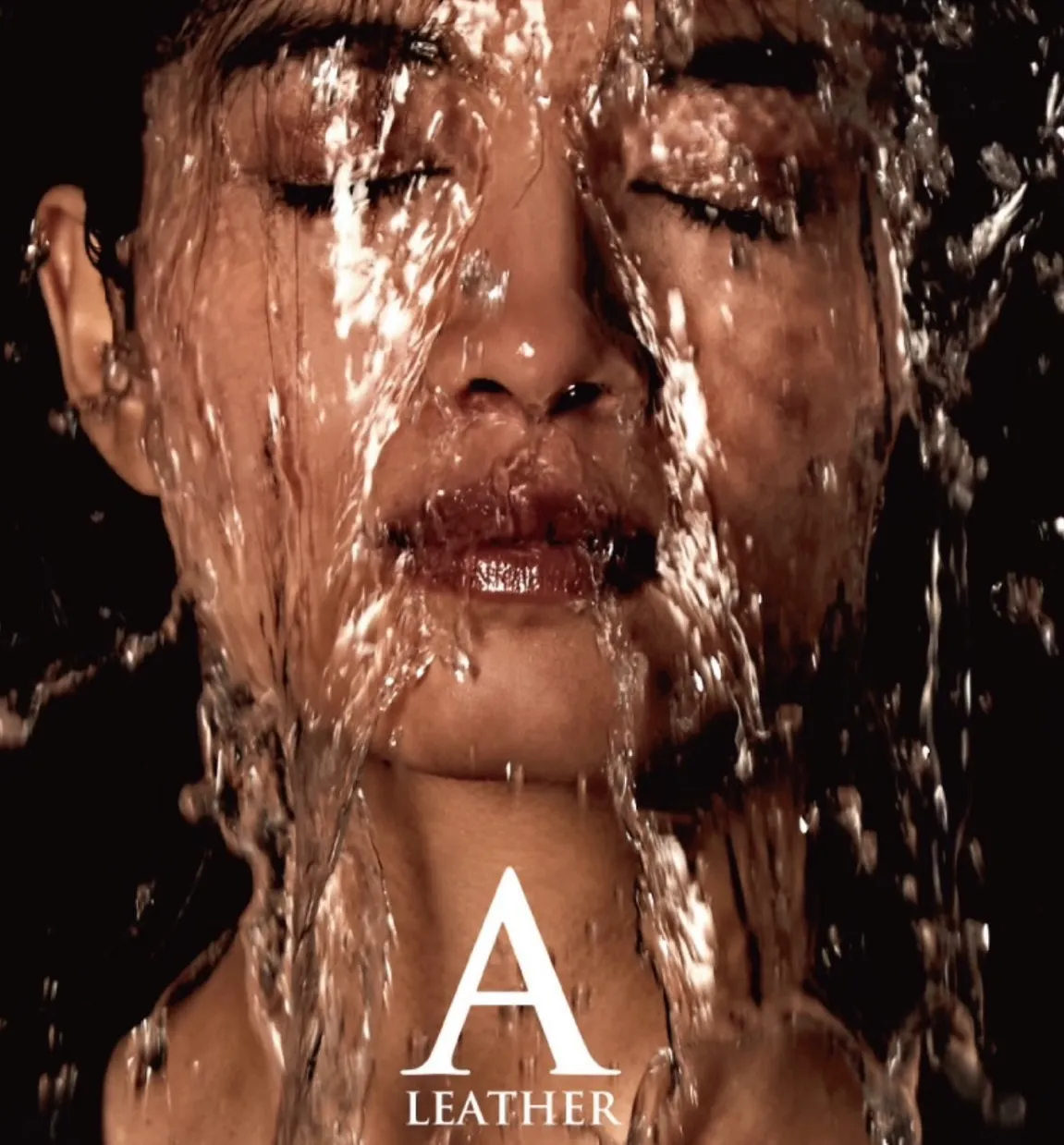
Image courtesy of A LEATHER
In this interview, A LEATHER’s director, Toshikazu Nagaoka, reflects on craftsmanship, Japanese leather culture, longevity as sustainability, and redefining leather for everyday life - both in Japan and on the international stage.
A LEATHER places craftsmanship at the center of its identity. In a global fashion industry driven by speed and visibility, what does craftsmanship mean to you today?
Craftsmanship is the essence of everything.
Nothing begins without the artisan. Without the hands, nothing starts. I believe this is the origin of fashion itself.
Japanese leather culture is deeply tied to place, especially regions like Himeji. How important is origin and material memory in the way you design and produce your pieces?
We place strong emphasis on leather created through Japan’s unique mizusome (water-dyeing) technique. While Japanese leather culture is often tied to region, we value the intrinsic quality of the material itself more than the memory of place. It is important that the design fully makes use of this valuable material. We want to share this exceptional leather with the world.
Your work balances restraint and strength, visually and structurally. How do you approach design decisions where less becomes more?
We always think about creating designs that will still remain five years from now. We focus on designs that bring out the value of the material itself.
A LEATHER does not rely on overt branding or logos. What kind of relationship do you hope to build between the object and the person who carries it?
We value pieces that can still be worn five years from now, and a sense of refinement. Because we focus on silhouette and on making the most of the material, we do not feel the need to use logos.
Leather is often associated with permanence and longevity. How do you think about time - aging, wear, and use - when creating a piece?
We hope people will enjoy the aging process of leather. We use leather dyed in a way that allows its changes over time to be appreciated. It becomes familiar with use and does not require excessive maintenance. For 26FW, we established the theme “Time.Worn.” and focused on enjoying change over time.
The brand has been increasingly visible outside Japan, including recent presentations in Paris. How does presenting Japanese leather craftsmanship in an international context change the way you see your own work?
Japan has exceptional leather, yet it is not always fully recognized. Overseas leather is naturally popular in Japan, but we want to help bring greater recognition to Japanese leather. We take pride in communicating its value through our brand. Presenting it internationally allows us to rediscover its excellence ourselves. Through that process, we deepen our understanding of Japan, which influences our design and becomes a driving force to expand Japanese leather further.
When entering European fashion spaces, what aspects of Japanese design do you feel are most misunderstood, and which are finally being understood?
I do not feel that Japanese design is misunderstood. Rather, I feel strong respect toward it, especially in European fashion spaces. This makes me more aware of the greatness of the designers who came before us in Japan.
Sustainability is frequently discussed in terms of technology and innovation. How do tradition, handwork, and durability function as sustainable practices in your philosophy?
Our pieces are made to be worn for a long time. They are not meant to be worn and discarded, but to remain. We believe that wearing something for many years and allowing it to gradually become familiar is itself a form of sustainability.
Your collections draw subtle references from utility, uniforms, and everyday objects. What attracts you to these sources, and how do they translate into contemporary leather design?
We want to bring leather into everyday life as fashion. Not only riders jackets, but something closer and more natural in daily life — something you would want to wear every day. High-quality pieces that can truly be worn daily. This idea has also expanded into our sweatshirt series.
Looking ahead, how do you envision A LEATHER evolving, not in terms of scale, but in terms of meaning and cultural presence?
We want to change the fixed idea many people have of what leather should be. Leather can blend into everyday life and become something more familiar. Not only in winter, but also in summer — as seen in leather swimwear and collections made with thinly tanned leather. We want to continue creating these small revolutions.
 @vera.von.monika
 @veravonmonika
 Livedoor