Neil Fierro: Hollywood Action, Authorship, and the Language of Movement
Neil Fierro is a Hollywood-based action actor and filmmaker whose work moves fluidly between performance and authorship. Trained in Brazilian Jiu-Jitsu and Judo, he approaches acting, stunt work, fight choreography, writing, and directing as a single physical language, one driven by instinct, discipline, and real movement rather than spectacle. As a hybrid creator working across genres, Fierro represents a contemporary vision of action cinema shaped from within, where presence, control, and momentum carry the narrative forward.
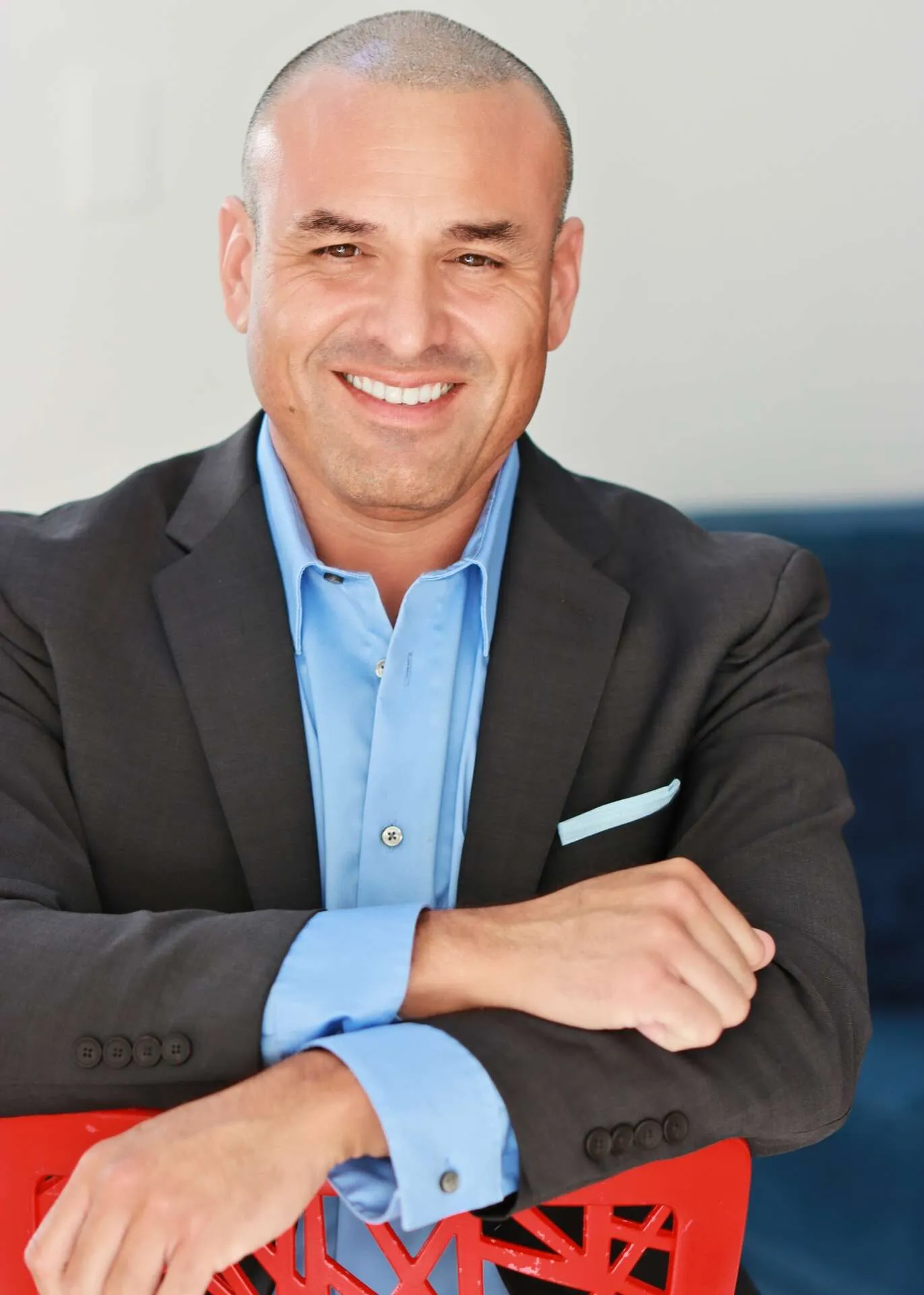
In this interview, Neil Fierro reflects on action as a form of cinematic language rather than spectacle, speaking about movement as language, discipline as philosophy, and authorship as a necessity rather than an ambition. Moving between Hollywood filmmaking, physical performance, and world-building, he discusses instinct over perfection, the ethics of screen violence, and what it means to remain grounded while operating at cinematic scale.
Your work spans acting, stunt performance, fight choreography, and filmmaking. Do you experience these disciplines as separate crafts, or as different expressions of the same creative language?
To me, acting, stunt performance, fight choreography, and filmmaking aren’t really separate crafts - they’re all just different ways of speaking the same language: high-energy, fast-paced action. I’ve never been someone who can sit still. I have to keep moving, physically and mentally. So everything I do - whether it’s throwing punches, taking a hit, choreographing a sequence, or directing a scene - comes from that same restless, kinetic place.
I grew up training in Brazilian Jiu-Jitsu and Judo, so grappling, wrestling, and the chess-match side of fighting have always been part of how I think and create. My imagination is constantly running - ideas just pour in when I’m walking outside, listening to music, driving, or even just breathing fresh air. They don’t wait for permission.
When I’m filming, I’m not the guy who storyboards every single beat or over-prepares. I like having a strong foundation - the basics, the intention - but once we’re actually moving, shooting, fighting, or performing, everything shifts. The real discoveries happen in the moment, on the floor, in the space. I learn the most when I’m actually doing it, not when I’m planning it. That’s where the magic lives for me: in the physical reality of the work, when the ideas I’ve been carrying around finally collide with what’s really possible in the body and in the frame.
So yeah - they’re not separate disciplines to me. They’re just different doors into the same obsession: motion, intensity, and telling stories that hit hard and move fast.
Physical discipline is central to your practice. How has your training in Brazilian Jiu-Jitsu shaped your understanding of character, control, and emotional presence on screen?
Brazilian Jiu-Jitsu is a great physical sport that sharpens timing, control, and awareness, but my emotional clarity comes from how I was raised. I’ve always kept a clear mind - no carried emotions, no anger, no aggression.
I’ve seen it in training: people who get emotional or angry tense up, force things, and get hurt. I stay the opposite - like asbestos (nothing sticks), a rubber band (flexible and smooth), or water (flowing, adapting without resistance). With a quiet mind, I read the moment clearly and respond efficiently.
That same clarity carries to the screen. I stay present, react naturally, and bring clean, high-energy action. Heavy drama or emotional roles don’t fit me - what you see in fights, interviews, or on social is just how I actually am: level-headed, flowing, and 100% myself.
Action is often treated as spectacle. How do you ensure that movement, combat, and physicality serve narrative meaning rather than overwhelm it?
Action is often just flashy spectacle - spinning kicks, flying flips. That’s not my style. I can’t do it, and I don’t copy it.
Instead, I build from what I’m good at: real hand-to-hand, wrestling-based defense, and energy-efficient control. Pushing kicks away, deflecting punches, using under-hooks to create space - these practical moves are rarely shown in films, but they feel honest and work in real life.
My focus is making the physicality serve the story. When the movement comes from your actual strengths, it reveals character - how they think, survive, protect themselves - without overwhelming the narrative.
You’ve worked both in front of and behind the camera. How has directing and producing influenced the way you approach performance as an actor?
When I started out, I was just thrilled to be acting - I never planned on writing, producing, or directing. But I kept seeing action stories I wanted to watch that didn’t exist, so I started writing them myself. One thing led to another, and I ended up directing my first feature in 2025: Sicario vs Shogun Robots - a fast, high-octane action movie inspired by Jason Statham fighting Japanese gangsters and robots. It’s a mash-up of everything I love: old-school yakuza films, samurai/shogun vibes, robots, and that relentless energy.
I realized the only way to get my exact vision on screen was to direct it myself. Working behind the camera completely changed how I approach acting. Now I understand lighting, camera angles, lenses, coverage, and how every choice affects performance. It’s like what Tom Cruise talks about - you have to know the technical side to really maximize what works for you on screen. Being on both sides makes me a smarter, more precise actor: I know what the director needs, how to hit the frame, and how to give options that serve the story.
I’m still learning every day. Right now in 2026, I’m in pre-production on my next film as director: Tokyo Psycho Ex-Girlfriend in Orange County - a thriller. I love long, clear titles; they’re like flashing lights telling you exactly what you’re getting. I’m excited to keep building—hopefully another big action project next.
Directing and producing didn’t take me away from acting - they made me better at it.
Stillness and restraint are as powerful as movement in action performance. How do you think about silence, pause, and precision when building a scene?
Stillness, silence, and pauses can be incredibly powerful in action—they give the audience a moment to breathe, feel the tension, or let the impact land. But for me, the way I think about them comes down to trusting instinct over perfection.
When I’m directing or performing, I’m very comfortable with the first impression. If the first take feels right in my gut, that’s often the one I go with. I don’t chase flawless execution; I chase what feels natural and alive. That might mean a small mistake or imperfection stays in, but the real feeling is worth more than a “perfect” take that looks rehearsed and dead.
I move fast on set - usually by the second or third take I’m ready to move on. If I keep going past that, the energy starts to shift and the reactions get less fresh. The natural reaction after minimal rehearsal is almost always stronger than something over-polished. Precision matters, but for me it’s the precision of instinct: knowing when the moment is honest, when the pause has weight, when the stillness carries threat or anticipation - and then trusting that first gut feeling and moving forward.
That’s how I build scenes - fast-paced, instinctive, prioritizing real energy over manufactured perfection.
Your career reflects a hybrid identity - performer, creator, and technician. Do you feel contemporary cinema is beginning to make space for this kind of multidimensional artist?
Yes, absolutely - contemporary cinema is definitely opening up space for multidimensional artists like this. With the rise of multiverse storytelling, streaming platforms, and the way films now blend timelines, genres, and even versions of the same character, it’s become much easier to be a performer, creator, and technician all at once.
You can play yourself in a cameo, weave in characters from different eras or futures, or build entire worlds around one recurring persona. That freedom fits perfectly with how I work. I’ve created a character named Tony Izak Candor who’s now appearing across several of my films. He’s splitting into different versions through a multiverse, showing up in various stories and timelines. It’s turning into my own little franchise - mostly sci-fi action, but with room to stretch across a broad spectrum.
This moment in cinema feels tailor-made for hybrid creators. The multiverse format lets you experiment, connect your own projects, and stay authentic to your vision without being boxed into one role or one style. I’m having a lot of fun building it out right now, and we’ll see where it evolves. But right now, this is the perfect time to lean into that kind of creative freedom.
You’ve engaged deeply with martial traditions and cross-cultural philosophies. How have these influences shaped your understanding of discipline, respect, and artistic responsibility?
Growing up with an Italian-Spanish background, raised Catholic with a bit of Jewish heritage, and living in a diverse Asian neighborhood - Chinese, Japanese, Vietnamese - I was surrounded by so many cultures from a young age. I naturally gravitated toward the Asian traditions. I loved celebrating Lunar New Year, attending temple blessings, and soaking in that atmosphere, while still going to church on Sundays. I never felt I had to choose one or close myself off to the others. That openness just came naturally.
It taught me a lot about discipline, respect, and responsibility as an artist. Being welcomed into temples, sharing in rituals, and seeing the quiet strength and reverence in those spaces showed me that true discipline isn’t rigid or exclusive - it’s about showing up with humility, honoring what’s in front of you, and carrying yourself with care. Respect means listening, learning, and appreciating without trying to own or imitate. And artistic responsibility, for me, is about bringing that same spirit into what I create: staying true, staying open, and treating every movement, story, or performance with the weight it deserves.
That mix of influences - Catholic, Jewish roots, Asian philosophies, all of it - made me comfortable moving between worlds. The world feels small when you connect through shared warmth and blessings, but also endlessly large because there’s always more to discover. I still feel that way every time I travel to Asia - visiting temples in Japan, churches wherever I am, just absorbing the spirit and the people. It keeps me grounded and reminds me why I do this work: to honor the traditions that shaped me and to share that sense of connection and respect through action and storytelling.
Working within Hollywood, an industry that often prioritizes speed, visibility, and scale, how do you maintain depth, discipline, and authorship in your creative work?
Hollywood moves fast - speed, visibility, big scale - and it can pull people in a lot of directions. For me, staying grounded in depth, discipline, and real authorship comes down to one simple rule: I only work on projects I genuinely want to do and feel completely at home in.
I don’t force myself into things that don’t fit. I stick to the genres and stories that come naturally - action, sci-fi, some thrillers, and a bit of comedy. When I’m in that lane, everything flows. It doesn’t feel like “work.” It feels like play. There are days I can write pages of ideas nonstop because the passion is already there. I just capture them when they come - scenes, fights, concepts - because you never know when one will turn into the next movie.
Today’s cinema has no ceiling. Everything is bigger, wilder, above and beyond - and I love that. It means I get to bring my full skills, my mind, my writing, and my energy without limits. No holding back, no compromise just to fit someone else’s box. That freedom lets me keep the depth and discipline that matter to me, while still having a ridiculous amount of fun.
When you’re only creating what you love, authorship takes care of itself.
You operate across multiple roles in the filmmaking process. What responsibilities do you feel most strongly when shaping a project from concept to execution?
For me, it all starts with a simple idea - something that excites me and feels right. I don’t always have a long, detailed plan. My last film came together exactly that way: the concept hit me, I thought “this could happen soon,” and within about a month everything just fell into place.
I’m very hands-on by nature. I love being involved in every part - scouting locations, arranging catering, reaching out to talent, calling crew. When it feels natural and the responses are positive, I move fast and keep the momentum going. That efficiency comes from doing a lot myself, especially in the early stages, because I can shape it exactly how I see it.
At the same time, I know delegating is crucial. Once the core is set, I bring in a strong team - people I trust - and hand off what makes sense so we can move even quicker and better. But the strongest responsibility I feel is protecting the original spark: making sure the project stays true to that initial idea, keeps its energy, and doesn’t get watered down or overcomplicated.
It starts with writing and intuition, turns into calls and quick decisions, then becomes a team effort. When everything clicks like that, it feels like magic - natural, fast, and alive from concept to execution.
Violence and power are recurring themes in action cinema. How do you navigate portraying strength without glorifying harm?
I love playing the hero - it’s the role I write for myself in my own films. Violence and power are staples of action cinema, but I’m intentional about never glorifying real harm or making brutality feel glamorous.
Science fiction gives me the perfect way to handle that. In Sicario vs Shogun Robots - which is now in post-production and coming soon (stay tuned, I’ll let everyone know when it premieres) - I’m the hero defending the neighborhood against robots. The “violence” is all mechanical: explosions, sparks, shattered metal, massive sound design. No blood, no gore - just high-energy, kinetic spectacle that stays thrilling without crossing into graphic territory. The right sound effects do so much of the heavy lifting to make it feel huge and fun.
My characters reflect how I actually am: respectful, calm, masculine in a grounded way, with a strong, quiet spirit. The action is always about defense, protection, and cool confidence - not rage or cruelty. I love working with diverse casts and letting the fights feel inclusive and exciting.
Robots have fascinated me since I was a kid, and now, living in a world where AI and robotics are real and advancing fast, that sci-fi element feels timely and believable. It lets me explore strength and power in a heroic, imaginative way - celebrating big, clean spectacle and heroism without ever making harm look appealing.
As someone who builds performance through the body, how do you approach vulnerability - both physical and emotional - on screen?
I approach vulnerability on screen the same way I live in real life: physical vulnerability is part of the job, but emotional vulnerability - anger, sadness, fear - is not something I show or lean into.
When I’m hurt in a fight scene, or taking damage while battling a bad guy, you’ll see the physical impact - the hit lands, the body reacts - but my spirit stays unbreakable. I don’t let anger or pain twist my face or break my composure. Instead, what comes through is respect, focus, and control. The fight is an art form; it’s competition, and even against an opponent, there’s mutual respect in the level of skill and effort.
In my own films especially, I’m the hero. And heroes - think Superman or any classic action icon - don’t crumble or wallow. The audience doesn’t want to watch them struggle emotionally or lose their cool. They want to see strength, conquest, and victory. That’s the magic of cinema: the hero always wins, and they do it with calm, unshakable spirit.
So that’s what I bring on screen and carry in real life: a strong spirit that stays cool no matter what the physical world throws at you. Physical harm can happen, but nothing touches the core. The body may take hits, but the winner’s mindset never wavers.
Looking ahead, what kinds of stories or creative territories are you most interested in exploring next, even if they challenge expectations placed on you so far?
Looking ahead, I’m hungry to make bigger, more cinematic action films - stories that deliver that pure, adrenaline-pumping rush people used to get from the classics. I want to bring back the kind of sequences that feel alive and grounded: long, heart-pounding car chases through real city streets, weaving through traffic in exotic sports cars - maybe a bright green convertible Lamborghini screaming down the Pacific Coast Highway, or tearing along neon-soaked highways in Tokyo or Osaka at night, city lights streaking past, bad guys in pursuit.
I picture rooftop fights with the entire skyline glowing behind the characters, intense hand-to-hand battles inside a crowded nightclub where the music thumps and the city view stretches out through floor-to-ceiling windows, or sudden, explosive action inside an ancient temple that turns into a desperate high-speed escape. These are the “back-to-basics” moments Hollywood doesn’t make as often anymore - practical driving, real locations, practical stunts, real momentum. No heavy green-screen reliance - just the visceral thrill of being right there in the chase or the fight.
One of my biggest dreams is to take this vision to Asia, especially Japan. I’d love to shoot an entire film there - collaborating with local crews and talent, capturing those incredible locations and that unique energy. Imagine neon-drenched nights in Shibuya, quiet temples at dawn, high-speed runs through coastal roads or mountain passes. Filming in Asia would feel like coming home in a creative way. I already have so many wonderful friends across Japan and other parts of the region, and I’d love to build on those relationships - share the work, attend premieres together, celebrate with them.
I want the movie to feel truly international from the start: shot in Asia with an Asian-American or global sensibility, then bring it back for a big Hollywood premiere while also premiering in Tokyo and rolling it out across Asia. That would mean a lot to me - growing a real fan base there, showing up for events, eating incredible food, soaking in the culture, and just being present. My life already gives me this beautiful freedom: throw a backpack over my shoulder, grab a plane ticket, and Asia is always calling. That spontaneity and openness is what fuels me.
So the creative territories I’m most excited about next are big, border-crossing action films that combine high-octane practical sequences with the places and people I love - challenging myself to go bigger in scale while staying authentic to my roots and my instincts. I want audiences to feel the speed, the danger, the beauty of those cities and cultures, and walk out of the theater buzzing. That’s the direction I’m heading, and I can’t wait to make it happen.
 @vera.von.monika
 @veravonmonika
 Livedoor